

Solutions
Managed network services
Your infrastructure managed under one umbrella
Managed network services for modern enterprise networks
CACI delivers fully managed network services that help organisations reduce downtime, improve network performance and strengthen security across their WAN, LAN, Wi-Fi, SD-WAN and cloud connectivity environments.
Our network specialists provide 24/7 monitoring, proactive management, incident response, performance optimisation and strategic network support, enabling internal IT teams to focus on innovation rather than day-to-day network operations.
Whether you’re modernising legacy infrastructure, supporting hybrid working or expanding cloud adoption, our managed network services ensure your business-critical connectivity remains secure, resilient and available.

Did you know?
33%
of organisations said that one hour of downtime can cost between £1 million and £5 million.
80%
of IT teams report increased network complexity due to cloud migration, IoT and remote working.
Cut costs, improve reliability
Our managed network services include

24/7 network monitoring
Our Network Operations Centre (NOC) provides continuous monitoring, alerting and service assurance across enterprise network environments. Using ITIL-aligned service management processes, we proactively identify and resolve issues before they impact users, applications or business operations.

Incident & problem management
Rapid diagnosis and resolution of network incidents supported by clearly defined Service Level Agreements (SLAs). Our engineers provide root cause analysis, proactive problem management and continual service improvement to maximise availability and minimise disruption.

Managed SD-WAN & WAN services
Optimise application performance, improve resilience and simplify branch connectivity through modern SD-WAN, WAN and MPLS architectures. We help organisations modernise legacy networks while improving visibility, agility and user experience across distributed locations.

Managed LAN & campus networks
Maintain secure, scalable and high-performing LAN and campus network infrastructure across offices, data centres and operational sites. Our services support seamless connectivity and reliable access to business-critical applications and services.

Managed wireless networks
Deliver consistent user experiences through enterprise-grade wireless networking, including Wi-Fi 6 and cloud-managed wireless solutions. Continuous optimisation helps ensure secure, reliable connectivity for employees, guests and connected devices.

Network security management
Protect critical infrastructure through continuous monitoring, firewall management, policy enforcement and security best practices. We support modern security architectures including Zero Trust and Secure Access Service Edge (SASE) to help secure users, devices and applications wherever they connect.

Cloud connectivity & hybrid network services
Enable secure, reliable connectivity between users, applications and cloud platforms through modern cloud networking solutions. We help organisations optimise connectivity across Microsoft Azure, Amazon Web Services (AWS), Microsoft 365 and hybrid cloud environments, ensuring consistent performance.

Network performance optimisation & automation
Improve network efficiency through proactive optimisation, network automation, advanced analytics and observability. By reducing manual intervention and accelerating issue resolution, organisations can improve service reliability while lowering operational complexity.

Reporting & service reviews
Regular reporting and service reviews provide visibility into network health, availability, performance and security posture. Actionable insights support continuous improvement and informed decision-making.
We give you control over your network
Why leading organisations choose CACI as their managed network services provider

Strategic partnerships with leading technology vendors
CACI works with leading networking and security providers including Cisco, Cisco Meraki, Fortinet, Palo Alto Networks, HPE Aruba Networking and Juniper Networks. These partnerships enable us to design, deploy and support best-fit solutions tailored to each organisation’s requirements.
Expertise across cloud and hybrid infrastructure
As organisations embrace Microsoft Azure, Amazon Web Services (AWS) and Microsoft 365, network architecture becomes increasingly important. We help clients create secure, resilient connectivity between users, applications, cloud platforms and on-premises environments.

Security built into every layer
Rather than treating security as a standalone function, we embed it throughout the network lifecycle. Our approach supports modern frameworks such as Zero Trust Network Access (ZTNA), SASE and integrated network security strategies that strengthen resilience and reduce risk.

Consultancy-led network transformation
Beyond day-to-day operations, we help organisations modernise legacy infrastructure, support digital transformation initiatives and prepare for future networking requirements. Our specialists provide strategic guidance covering architecture, governance and technology roadmaps.

Intelligent operations and service innovation
We combine automation, operational best practices and emerging technologies such as AIOps to improve service delivery, accelerate issue resolution and enhance network visibility. This enables organisations to respond more effectively to changing business demands.

Proven experience in complex enterprise environments
From multi-site enterprises to nationally distributed organisations, CACI delivers managed network services that support business-critical operations. Our experience across enterprise networking, cloud connectivity, cybersecurity and infrastructure transformation helps clients improve performance while maintaining reliability and control.
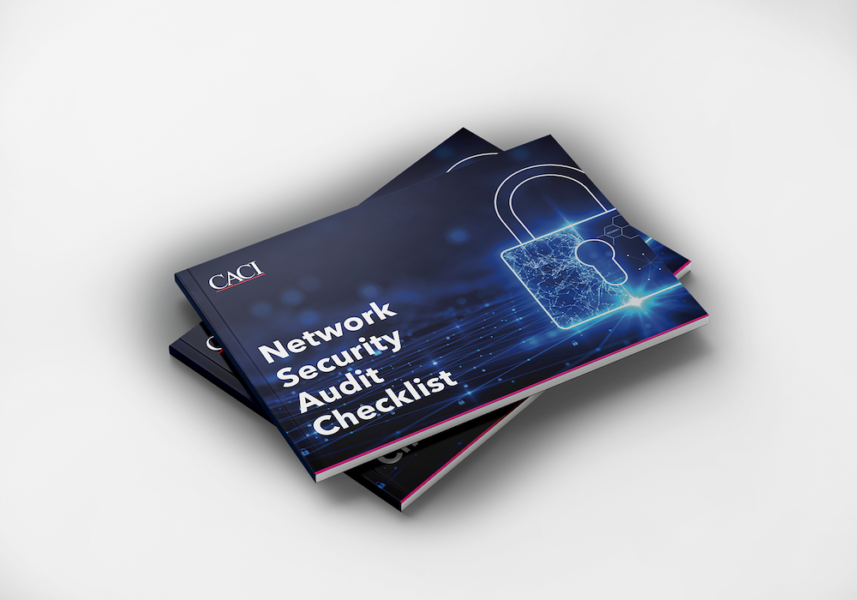
Trending eBook
Strengthen your network security with our essential audit checklist
In the face of rising cyber threats, protecting your network is more crucial than ever. Use our Network Security Audit Checklist to identify vulnerabilities, improve compliance, and build a robust security framework.
Awards & accreditations






There’s more where that came from
Related services
SD-WAN managed services
Transform enterprise connectivity with intelligent SD-WAN managed services.
Network security
Protect your business with proactive threat detection, compliance support and security by design. We’ll build a future-ready network that keeps you confidently one step ahead.
Network infrastructure
Transforming your network infrastructure, our expert engineers analyse your actual needs, architect, design and deploy scalable and secure network and plan for future growth.
Managed Endpoint Detection and Response (EDR)
Strengthen endpoint security with expert managed endpoint detection and response.
Managed SIEM services
Strengthen cyber threat detection with expert managed SIEM services.
Managed SOC services
Detect and respond to cyber threats with expert managed SOC services.
Network automation
Empowering network transformation with our expert NetDevOps solutions and team – automating, optimising, and securing your Network for the future.
IT solutions consulting
Access business analysis, IT solution architecture, design and service design services that are targeted to meet your IT goals, outcomes and solution compliance.
Project & programme management
Achieve your business goals, our highly skilled delivery assurance consultants bridge the gaps to make sure you deliver on time, every time.
FAQs
Answers to common questions about managed network services.
Managed network services involve outsourcing the monitoring, management, optimisation and security of network infrastructure to a specialist provider.
A managed network services provider is responsible for maintaining the performance, availability and resilience of critical networking environments, including WAN, LAN, Wi-Fi, SD-WAN and cloud connectivity. Services typically include 24/7 network monitoring, incident and problem management, network security, performance optimisation and strategic support delivered through a Network Operations Centre (NOC).
By partnering with a managed network services provider, organisations can gain access to specialist networking expertise, improve operational efficiency and ensure their network infrastructure remains secure, scalable and aligned to business objectives.
Managed network services help organisations improve network performance, strengthen security and reduce the operational burden on internal IT teams.
By providing proactive monitoring, rapid incident response and access to experienced network specialists, managed services help minimise downtime and maintain the availability of business-critical applications and services. Organisations also benefit from improved visibility, predictable operational costs and support for modern technologies such as SD-WAN, cloud networking, network automation and Zero Trust security frameworks.
For organisations adopting Microsoft Azure, AWS, hybrid cloud or hybrid working models, managed network services provide the expertise and operational support needed to maintain secure, reliable and high-performing connectivity across the business.
Yes, most managed network services include 24/7 network monitoring as a core service.
Continuous monitoring enables organisations to identify and resolve issues before they impact users, applications or business operations. A dedicated Network Operations Centre (NOC) monitors network performance, availability, capacity and security, providing proactive alerting, incident management and service assurance.
This approach helps reduce downtime, improve user experience and maintain the performance of business-critical network infrastructure.
A Network Operations Centre (NOC) is a dedicated team responsible for monitoring, managing and supporting network infrastructure.
Operating 24/7, a NOC provides proactive monitoring, incident response, fault management and performance optimisation across enterprise networks. Network engineers use specialised tools to identify and resolve issues before they impact users or business services.
A NOC helps organisations improve network availability, reduce downtime and maintain service levels across critical infrastructure.
Managed network services improve network security through continuous monitoring, policy management and proactive threat mitigation.
Many providers support modern security frameworks such as Zero Trust and Secure Access Service Edge (SASE), helping organisations secure users, devices and applications across distributed environments. Services often include firewall management, network access controls, vulnerability monitoring and security reporting.
By combining network management and security operations, organisations can strengthen resilience, reduce risk and improve visibility across their network infrastructure.
Yes, managed network services are designed to support cloud, hybrid and multi-cloud environments.
As organisations adopt platforms such as Microsoft Azure, Amazon Web Services (AWS) and Microsoft 365, network performance becomes increasingly important. Managed network services help optimise connectivity between users, applications, cloud platforms and on-premises infrastructure while maintaining security and reliability.
This ensures organisations can support hybrid working, cloud transformation and business growth without compromising user experience or operational performance.
WAN, LAN and SD-WAN are different types of network architecture that serve distinct purposes.
A Local Area Network (LAN) connects users, devices and applications within a single location, such as an office or campus. A Wide Area Network (WAN) connects multiple locations over larger geographic areas using technologies such as MPLS and internet connectivity.
Software-Defined Wide Area Networking (SD-WAN) is a modern approach to WAN management that improves application performance, simplifies network operations and provides greater visibility and control across distributed environments.
Yes, many managed network service providers use network automation to improve efficiency, consistency and performance.
Network automation reduces manual administration by automating routine tasks such as configuration management, policy deployment, device provisioning and compliance checks. Combined with observability platforms, analytics and AIOps technologies, automation can accelerate issue resolution and improve operational visibility.
This enables organisations to scale network operations more effectively while reducing operational complexity and risk.
Managed network services can support a wide range of networking, cloud and security technologies.
Depending on requirements, organisations may use solutions from vendors such as Cisco, Cisco Meraki, Fortinet, Palo Alto Networks, Juniper Networks and HPE Aruba Networking. Services can also support cloud platforms including Microsoft Azure, AWS and Microsoft 365.
A managed service provider should be able to recommend, deploy and support the technologies that best align with an organisation’s operational, security and business objectives.
Yes, managed network services are particularly valuable for organisations operating across multiple locations.
By centrally managing WAN, SD-WAN, LAN, Wi-Fi and cloud connectivity, organisations can maintain consistent performance, security and visibility across offices, branches, retail locations and operational sites. Managed services also simplify network management by providing a single point of accountability for monitoring, support and optimisation.
This helps multi-site organisations improve user experience, support hybrid working and scale network infrastructure more efficiently.
The cost of managed network services in the UK depends on the size, complexity and support requirements of your network.
Pricing is typically influenced by factors such as the number of sites, users and network devices, the complexity of your LAN, WAN or SD-WAN environment, cloud connectivity requirements, security needs and the level of monitoring and support required. Organisations with multi-site networks, Microsoft Azure or AWS connectivity, firewall management, 24/7 Network Operations Centre (NOC) support or strict Service Level Agreements (SLAs) will usually require a more tailored managed service.
A managed network services provider will normally assess your existing infrastructure, business-critical applications, security requirements and future growth plans before recommending the right service model. This ensures the cost reflects the level of resilience, performance, security and operational support your organisation needs.