
Posts AI vs Automation: Finding the right balance in care management software

AI vs Automation: Finding the right balance in care management software

The care sector is under immense pressure: staff shortages, rising demand and tighter compliance standards have created a perfect storm for providers. In response, many care management software vendors are racing to add artificial intelligence (AI) features, promising smarter decisions, predictive insights and faster outcomes. 

Is outsourcing thinking to algorithms really the answer though? Or does it risk eroding the very foundation of care – trust, safety, and human connection? 

Why the AI rush in care management software?

AI isn’t just a buzzword. It’s being embedded into care management software in ways that sound transformative: 

  • Automatically building care plans by analysing assessments, medical history and wearable data 
  • Predicting risks such as falls or hospital readmissions before they happen 
  • Optimising rosters by matching carers to clients based on skills, continuity and location 
  • Summarising notes and ensuring compliance using natural language processing 

For care providers under pressure to cut admin, stay compliant and deliver person-centred care, these promises are compelling. The narrative is clear: AI will save time, improve outcomes and reduce costs. 

In reality, however, AI in care is still unproven, often opaque and can introduce risks if adopted without clear guardrails. Algorithms are only as good as the data they’re trained on, and in social care, data can be fragmented, inconsistent and context-dependent. When decisions about vulnerable people are delegated to black-box systems, the consequences can be serious: misaligned workflows, compliance gaps and even mistrust among staff and clients. 

The risks of overreliance on AI in care management software 

AI isn’t magic. It’s a set of algorithms trained on data, and in care, that data often comes from fragmented systems, inconsistent records and human interpretation. When decisions about vulnerable people are delegated to unproven tools, the risks multiply: 

Unproven technology

  • Many AI features in care software are still in early stages. Without rigorous testing in real-world settings, outputs can be unreliable, workflows misaligned and operational complexity increased. Care plans built by algorithms may look efficient, but do they truly reflect the individual behind the data? 

Compliance gaps 

  • Regulators like the Care Quality Commission (CQC) emphasise person-centred documentation, accountability and evidence-based decision-making. If AI decisions can’t be explained or audited, providers could face compliance risks. Person-centred care isn’t just a phrase, it’s a legal and ethical requirement that demands human oversight. 

Staff pushback 

  • Care is a human profession. Tools that feel impersonal or difficult to use can create mistrust, lower morale and cause resistance. Technology should empower staff, not alienate them. When carers feel sidelined by algorithms, the essence of care is lost. 

Client experience 

  • Person-centred care is the cornerstone of quality ratings and client satisfaction. Poorly implemented AI can create barriers between carers and clients, undermining trust and connection. A truly person-centred approach means listening, adapting and responding in real time, something no algorithm can fully replicate. 

The missing human element

  • Care isn’t just about tasks; it’s about empathy, intuition and the ability to respond to subtle cues. Experienced carers bring a rich, dynamic understanding shaped by years of hands-on work – something no dataset can capture. Compassion is a uniquely human trait. AI can process information, but it cannot care. 

Automation: The smarter alternative

Instead of chasing hype, CACI believes in automation with accountability – care management software that streamlines admin, reduces errors and frees staff to focus on what matters most: caring for clients. 

Automation works within parameters set by the provider, ensuring transparency and control. It’s innovation without compromise. 

Efficiency without risk 

  • Automated rostering, travel time optimisation and digital care planning reduce admin burden without replacing professional judgment, keeping the person at the centre of every decision.

Compliance built in 

  • Automation ensures accurate records, audit trails and SAF-aligned reporting – critical for inspections and quality assurance. Providers stay in control, not algorithms.

Human-centric design

  •  By removing repetitive tasks, automation gives carers more time for meaningful interactions with clients. Technology should support the relationship between carer and client, not replace it. Person-centred care needs a person. 

Our approach with Certa 

At CACI, we’ve built Certa, our care management software, around three guiding principles: 

Connecting 

  • Bringing people, data and processes together seamlessly. Everyone works from the same trusted source, whether in the office or in the field.

Confirming 

  • Compliance, accuracy and transparency are non-negotiable. Certa helps providers evidence quality standards with ease.

Caring 

  • Technology should never replace empathy. Certa empowers staff to focus on the human side of care. 

From smart rostering and travel optimisation to digital care planning and real-time reporting, Certa automates the complex while preserving the human touch. 

Where does AI get in? 

AI isn’t the enemy. It has a role, but only when it enhances, not replaces, person-centred care. Predictive analytics, for example, can help identify trends in service demand or flag potential compliance risks. However, these tools must be transparent, tested and always under provider control. 

The safest path is a measured one: 

  • Adopt technology that grows with your service 
  • Keep compliance front and centre 
  • Strengthen relationships between carers and clients 

That’s what Certa delivers. 

The bottom line 

The best care management software combines innovation with empathy. It automates the complex, supports compliance and preserves the human connection that defines quality care. 

AI may be part of the future, but rushing in without a clear strategy can lead to wasted investment, unhappy staff and compromised care. A balanced approach will make all the difference. 

Why Certa makes a difference

Certa is designed for care providers who want technology that works for them. Not the other way around. With features like: 

  • Person-centred care planning 
  • Advanced rostering and travel optimisation 
  • Real-time reporting and SAF-aligned compliance tools 
  • Secure-by-design architecture (ISO27001, Cyber Essentials Plus) 

Certa helps you deliver outstanding care while staying efficient, compliant and connected. Get in touch with us today to find out how automation can help your staff focus on what matters most: providing care. 

How effective data foundations and consumer insights drive campaign performance in DTC healthcare and e-commerce

In this Article

A competitive, complex consumer landscape

Competition has never been more intense in the dynamic and growing consumer health and wellbeing sector. 2025 has seen new market entrants like hair loss treatment company Hair + Me, any number of weight loss services like Juniper and SheMed high on social media feeds and supermarket Morrisons in partnership with Phlo moving into the on-demand online healthcare space alongside existing high street giants Boots, Superdrug and Asda.

This new and intense competition also comes with a new reality: increasingly fragmented consumer behaviour that upends traditional marketing assumptions.

Younger age cohorts drive healthcare growth

Our Voice of the Nation (VOTN) survey examining consumer sentiment finds Gen Z and Millennials in the driving seat of the elective healthcare market. Weight-loss treatments like Mounjaro and Ozempic are expected to surge by 40% in 2025 due to these younger age cohorts.

Notably, Gen Z shows equal interest across genders, unlike older age groups where women dominate. Cosmetic treatments are also gaining traction, with well over 10% of Gen Z and female Millennials planning to pay for them, compared to less than 3% among Gen X and Baby Boomers.

While aesthetics is clearly playing a role, other deeper consumer motivations are also emerging.  Notably, survey respondents who consider health a top national issue are significantly more likely to self-fund treatments. Among Gen Z males in this group, 16.2% plan to pay for weight-loss treatments in 2025 — well above the average of 4.9%. And just as importantly, the VOTN data somewhat counterintuitively shows that demand for elective healthcare products and services in general spans both affluent and less affluent groups.

Age-related wellness and health products drive innovation

In short, our VOTN data reveals a complex blend of beauty, wellness, and proactive health management, with younger generations investing in elective healthcare to enhance both how they feel and how they look.

This trend is reflected in the innovation and increasingly digital activation seen in the fertility and female health space relevant to these age cohorts. Period care pioneer Daye is launching a new at-home hormone testing service for a host of biomarkers like reproductive hormones, thyroid function and Vitamin D. Male fertility company, testhim, which provides consultations, testicular scans, sperm DNA and other diagnostic testing, is also launching specialist fertility supplement testhim M+and a groundbreaking online monthly support group.

Complex, demanding consumers require sophisticated, multi-layered segmentation

So, with Gen Z and Millennials increasingly self-funding weight loss, cosmetic treatments and holistic wellness products and services of all kinds, DTC and e-commerce healthcare brands must truly rethink how they engage with this increasingly data-savvy, image-conscious audience. Informing integrated campaigns that blend social commerce, influencer marketing, paid advertising, organic and direct marketing content. Our VOTN survey also found that nearly two-thirds of Gen Z consumers (63%) have purchased goods and services via a social media platform like TikTok Shop and Instagram, making this a crucial channel for healthcare businesses to understand and potentially utilise.

But to do that effectively in practice, DTC and e-commerce healthcare brands need more than just surface-level insights. They need robust, layered data foundations that help them target the right consumer with the right kind of message at the right time in the right place. Even with first-party consumer data, it’s a significant challenge. Without it, reaching existing or identifying potential customers is almost impossible for brands.

You can see an example of this in our VOTN survey, which showed that for weight loss treatments, there appears to be greater levels of demand both at the more affluent end of our Acorn segmentation spectrum *and* at the least affluent end, potentially for differing reasons.

This requires integrating geodemographic, behavioural, lifestyle, and attitudinal data to move beyond ‘off-the-shelf’ consumer segments and into understanding consumers in a deep way that understands the likelihood of them engaging with specific healthcare products and services and why – enabling brands to drive efficient spend on the right customers – and remove disinterested or low-value ones – in a market with such broad appeal

It’s also only by taking this multi-layered data approach healthcare brands can build strategic data-driven campaigns that resonate on a genuinely personal level in the manner desired by younger generations. Critically, delivering on the perennial, somewhat paradoxical Gen Z demands for high levels of privacy, but also similarly high levels of personalised products and brand messaging.

Turn insights into activation for D2C and e-commerce health campaign success

But as we know, data, in isolation, holds limited value. Its real power is unleashed through activation – the transformation of insight into strategy. And in a world where consumer expectations are rising and attention spans are shrinking, the ability to deliver timely, relevant, and meaningful engagement is an outright competitive advantage. And it can only be achieved through a deep, data-driven understanding of people.

For D2C and e-commerce health brands, this understanding and successful activation requires them to:

  • Identify high-value customer segments for targeted acquisition and retention
  • Predict churn and retention patterns within subscription-based models
  • Inform campaign messaging with real-world consumer behaviours and motivations
  • Develop nuanced personas reflecting not just demographics, but attitudes, values, and lifestyle choices
  • Personalise content across relevant digital channels, from email to in-app experiences
  • Build lookalike audiences for acquisition campaigns on platforms like Meta and Google
  • Optimise digital spend by measuring performance and refining segmentation over time

This is where the transformation power of comprehensive datasets, such as CACI’s Ocean database, which offers over 700 variables at an individual and household level, comes in. Ocean includes everything from financial situation, media consumption and digital behaviours to lifestyle preferences like veganism and exercise to whether consumers have a smart watch or fitness band.

When combined with geodemographic tools like Acorn – segmenting over 1.6 million UK postcodes using more than 800 variables – and supported by bespoke data analysis, brands can unlock a truly multidimensional view of their audiences wherever they are.

This approach allows brands to move beyond generic targeting and into a space where campaigns are not only more relevant but also more respectful of consumer expectations – a win-win for younger cohorts who dislike intrusive and irrelevant brand messaging but demand personalisation nonetheless!

Data insight for a dynamic healthcare future

As healthcare consumers’ expectations evolve and the consumer health and wellbeing market with it, so must the strategies brands use to engage them. Success for D2C and e-commerce healthcare brands doesn’t just hinge on understanding who consumers are today — it’s about being able to anticipate who they’re becoming even as new healthcare technologies, products and devices become available. By being able to able to identify and engage high-lifetime value customers as early as possible, brands also have a greater chance to capture markets as they evolve.

The effectiveness of multi-layered segmentation in improving marketing precision now – and as AI becomes more integrated – is well established. CACI’s ability to deliver on this today with our consumer data and bespoke strategic segmentation capabilities ensures brands are future-ready

Data isn’t just a tool – it’s a strategic asset. Brands that invest in sophisticated segmentation and activation today will be best placed to drive sustainable growth tomorrow.

Speak to our healthcare consumer segmentation specialists today.

A New Face of Health – How Younger Consumers Are Reshaping Location Strategy

In this Article

From weight loss medication and fertility support to cosmetic and hair loss treatments, the traditional elective healthcare landscape is being radically transformed.

Historically, elective healthcare might have been associated with older demographics or specific medical needs. However, recent insights from CACI’s Voice of the Nation (VOTN) consumer survey reveal a compelling shift: a surge in demand for elective treatments from wellness and image-conscious Gen Z and Millennial consumers.

This fundamental change has profound implications for healthcare providers and their location strategies to ensure they are precisely aligned with the evolving demographics of their target audiences and meet their notably high expectations around convenience, accessibility, and experience. This offers a huge challenge – and opportunity – for healthcare brands to adopt a more agile, data-informed approach to their physical presence.

A complex convergence of health, wellness and beauty consumption

Our Voice of the Nation (VOTN) survey reveals that weight-loss treatments like Mounjaro and Ozempic are projected to grow by 40% in 2025, with Millennials and Gen Z leading the charge. And Gen Z show equal interest among both male and female respondents unlike all other age cohorts, where women predominate.

And while 4.9% of respondents overall say they plan to pay for cosmetic treatments in 2025, this number rises above 10% for Gen Z respondents and female Millennials but remains below 3% for anyone older than 45.

It might be tempting to assume that this trend is purely about aesthetics. And there’s some truth in this. For those planning to increase their beauty spending in 2025, nearly 14.9% planned to pay for cosmetic treatment against 4.9% generally. Similar jumps were seen for hair loss treatment (10.2% versus 3.3% generally) and weight loss services (14.9% against 6.4% generally).

Yet other issues are also in play.

For Gen Z respondents who considered ‘Health’ as a top three issue facing the UK, there was also a distinct increase in planned treatments: 16.2% of Gen Z males concerned about health were planning weight loss treatments versus 9.7% in general, for example.

In addition, when we look at the Voice of the Nation sentiment data through our in-depth Acorn geodemographic segmentation, demand for all types of healthcare treatments spans both affluent and less affluent groups.

Brought together, the data shows there’s a truly complex mix of motivations — from aesthetics and wellness to proactive health management – across and within different age cohorts. But all with the clear underlying message that Millennials and Gen Z with their growing spending power are seriously invested in elective healthcare treatments that make them feel and look better.

Why Traditional Site Selection Falls Short

Historically, location planning in healthcare has relied on broad demographic assumptions or legacy performance data. But in today’s market, that’s not enough, no longer can site selection be based on general market trends. A clinic with the wrong treatment offer, placed in the wrong area – too far from its target audience, or in a location with low footfall – can struggle to gain traction, regardless of the quality of care it offers.

But critically, it’s not just about what these consumers want — it’s about where they are. Something that after Covid-19 has also changed. Traditional assumptions about most people working from the office every day no longer hold.  Our VOTN research found that on average people now only spend on average 2.5 days in the office – Gen Z spending 12.5% more time in the office than Gen X and Baby Boomers.

Younger generations are more likely to live in urban centres, commute via public transport, and expect services to fit seamlessly into their daily routines. This is reflected in our VOTN data which finds Gen Z less likely to have products delivered to home and far more likely to have purchases delivered to a pick-up/drop off point like a locker or local convenience store (39% versus 23% in general) or delivered to a convenient location like their office (27% versus 14% in general). 

And as we’ve already noted younger generations are also more likely to pay for treatments where the NHS is not offering what they need or on the timescale they want it.

What’s needed is a more granular, predictive approach to location choice: one that considers not just who your customers are, but how they move, spend, and engage with products and services.

A data-driven bespoke approach to Location Strategy

Healthcare treatment providers looking for physical locations that will help them match this complexity of demand and grow their business should be looking to modern location analytics that combine powerful human behavioural and geographical insights. Rather than taking an ‘off-the-shelf’ approach that can obscure what’s really going with the new healthcare consumer, a bespoke approach allows you to:

  • Map journey-time decay to understand how far patients are willing to travel for different services
  • Define profile catchments using lifestyle segmentation like our CACI Acorn that can leverage over 700 economic, behavioural and social variables to identify over-represented consumer types in particular areas
  • Deeply understand who your ideal customers and their locations are through powerful location intelligence tools like InSite
  • Overlay footfall and spend data to assess the commercial viability of potential sites
  • Unlock ‘white space’ by using location analytics such as provided by our Location Dynamics to identify areas with unmet demand and minimal competition
  • Rank postcode sectors by indicators like Private Medical Insurance coverage or self-pay propensity

The future of healthcare location strategy

The rise of younger, self-directed healthcare consumers who value their physical and mental wellbeing is clearly not a passing trend – it’s a structural shift. To stay relevant, providers must meet these audiences where they are – both physically and emotionally, including as they ‘age’ into other services like fertility, hair loss treatments and joint replacements.

To truly capture this growing segment, providers must harness advanced data to pinpoint and predict high-potential areas where these new consumers live, work, and spend. This ensures that every new clinic, every re-evaluated existing site, is positioned for maximum impact, catering directly to the evolving needs and preferences of a generation redefining elective health. That means rethinking location strategy as a core part of business planning, not just an operational detail. With the right data and tools, healthcare brands can build a physical location footprint that’s not only efficient for today, but also future-proof.

To find out how we can help you find the healthcare consumers best suited to your services, get in touch with us.

Cloud innovation trends: Why optimisation must come first

In this Article

Cloud innovation trends: Why optimisation must come first

In the race to modernise, many businesses make a critical mistake: innovating before optimising their cloud infrastructure. It’s an easy trap to fall into – new technologies promise speed, agility and competitive advantage. However, without a solid foundation, those promises can quickly unravel.

So, what difference will optimisation make to cloud innovation? How do complex hybrid environments affect optimisation and what are the repercussions of innovating too soon?

Why optimisation should come first

Cloud optimisation isn’t just a technical exercise – it’s a strategic imperative. Before you invest in AI-driven tools, advanced analytics or multi-cloud deployments, you need to ensure your existing environment is efficient, secure and cost-effective. Otherwise, innovation becomes a gamble rather than a growth driver.

How the complexity of hybrid environments affects optimisation

Modern IT landscapes are rarely simple. Most organisations operate in hybrid environments, combining:

  • Cloud-native workloads
  • Semi-native applications
  • Containerised services
  • Legacy systems migrated via IaaS.

This mix introduces complexity that can quietly erode ROI and performance. Without optimisation, you risk inefficiencies that undermine every future initiative.

Common pitfalls of innovating too soon

When businesses rush to innovate without first optimising, they often encounter:

Duplicated workloads

Hybrid setups frequently lead to duplication of environments or services, especially when containerised and legacy systems overlap with cloud-native tools. This consumes bandwidth and burdens IT and DevOps teams with managing multiple versions of the same workload.

Latency issues

Poor workload distribution across cloud environments increases latency, slowing response times and masking compliance or security issues. For customer-facing applications, this can directly impact user experience and brand reputation.

Security saps

Unoptimised containerised and legacy workloads are vulnerable to governance and compliance risks. Differences in data storage and flow between environments complicate tracking, while unresolved legacy issues can carry over post-migration.

Mounting costs

With up to 30% of cloud spend wasted, inefficiencies inflate monitoring and security costs, draining budgets that could fund innovation.

Why this matters now

Cloud strategies are under pressure to deliver more – faster, cheaper and greener. Without optimisation, businesses risk inefficiency, higher costs and vulnerabilities that stall progress. In an industry where every second counts, building on shaky ground isn’t just risky, it’s expensive.

How to get started

Before chasing the next big trend in cloud innovation, take time to:

  • Audit your current architecture: Maintain visibility by understand what’s running, where and why.
  • Identify duplicated workloads and inefficiencies: Determine whether any services or resources are the cause behind draining budgets.
  • Align resources with business priorities: Ensure any spending on cloud innovation drives value for the business.
  • Implement governance and security best practices: Establishing best practices early on will ensure that innovation is scaled effectively.

This foundation ensures innovation is sustainable, not just a short-term fix.

The CACI approach: Building a cloud that enables innovation

Ready to build a cloud foundation that enables innovation?

Don’t leave your cloud strategy to chance. Our specialist cloud architects and optimisation experts have helped leading organisations modernise, streamline and unlock innovation without compromise. Contact us today to start your cloud optimisation journey.

How to make cyber security simple in your care service

In this Article

Running a home care service is complicated enough without throwing the modern concern of cyber security into the mix. This blog will take a closer look at how you can easily, efficiently and effectively manage cyber security in your care service. It doesn’t need to be as complicated, expensive and time consuming as you might assume. 

Care services process vast amounts of personal and sensitive data, bringing them under the scope of regulations such as GDPR. Managing cyber security can be a daunting prospect. With a language seemingly all of its own, from phishing and malware to multi-factor authentication and encryption, it can be tricky to navigate for those without a technological background. We will explore how cyber security can be easily managed by care providers. We’ll break down the various considerations and look at simple, effective means of managing it. 

What is cyber security and how does it affect care providers? 

To begin with, a quick explainer on what cyber security is. Cyber security is the function of protecting the devices we use, such as computers and smartphones, and the services we access via them, from theft and malicious intent. 

For example, if you or one of your care workers loses or has their smartphone stolen, you need to have measures in place to prevent access to sensitive information on the device. This covers everything from banking apps to your care plans. We’ll look at how this can be easily achieved. 

Why is cyber security important for care providers? 

Care providers process and record a lot of sensitive, personal information on the clients in their care. It is essential that this data is protected from theft, misuse or breach. Everything from the names, addresses and care records of your clients – anything that makes them identifiable – is considered sensitive information. 

Processing this information is essential to the smooth running of your services. You need to be able to inform your care workers of the care they need to provide with each visit. You will also need to be able to share such information with other care providers and the NHS where necessary.  

Sharing information extends to the CQC, too. With in-person inspections from the regulator becoming more infrequent, you may be asked to submit evidence electronically for assessment, the result of which may or may not be an in-person inspection. Being able to handle and share the data securely is paramount. CACI’s Certa care management software supports this with a dedicated CQC reporting feature which is designed to help you record, sort and share data easily and securely. 

What do care providers need to consider with regards to cyber security? 

  1. Confidentiality: all client information, from names and addresses to care plans and medications, must be protected in line with GDPR. Deploying a CMS such as Certa, with an app for your carers to access client data through, is critical for minimising risk and GDPR compliance. 
  2. Data minimisation: consider what data you need for services and remove that which you don’t. 
  3. Encryption: how are care workers and clients accessing the information that you hold? Securing devices with strong password and two-factor authentication helps to protect your data. 
  4. Access controls: ensure only appropriate people can access information on your clients, restricting access across your organisations with role-based permissions. 
  5. Staff training: making all your staff aware of cyber security threats is imperative, from phishing email attacks to securing their devices correctly. 
  6. System security: staying on top of installing software updates and security patches is essential. 

Cyber security and your CQC inspections 

It’s vital to grasp the significant regulatory expectations care services operate under. The Care Quality Commission’s Single Assessment Framework, for instance, scrutinises how data is kept safe and managed securely, particularly under the ‘Well-led’ Quality Statement concerning governance, management and sustainability. This isn’t a vague aspiration; there are clear expectations that robust arrangements for the availability, integrity and confidentiality of data, records and data management systems are in place. 

Failing to meet these standards, which are intrinsically linked to the Data Protection Act 2018 (incorporating GDPR), isn’t just a procedural hiccup. It can directly impact your CQC assessment and rating. 

The CQC explicitly expects providers to comply with the Data Security and Protection Toolkit (DSPT) or an equivalent, considering it a minimum for a ‘good’ provider. Ignoring these responsibilities isn’t an option if you want to avoid potentially severe consequences, from hefty fines issued by the Information Commissioner’s Office to the kind of reputational damage that erodes the trust of those you care for and their families. In today’s digital-first world, overlooking robust data security is a direct risk to the sustainability of your service and, most critically, to the safety and privacy of the vulnerable people you support. 

Making cyber security simple for care providers 

Whilst cyber security is a vital consideration for every care service, there is an array of complicated terminologies that can bewilder anyone – especially when your focus is firmly set on delivering outstanding person-centred care to your clients.  

If you’re managing a care service, there are enough plates to keep spinning without the added headache of data security. It can be tempting to ignore it and focus on what your service is designed to deliver. The good news is that securing your data is a lot simpler than you might think. 

Choosing the right care management software can drastically reduce the burden of cyber security for you and your care service. Modern software is designed with cyber security in mind.  

If you haven’t already, digitising your care service is a vital first step. If you’re reliant on paper records, whilst they might not be compromised via malicious emails and lost smartphones, what happens if your office is burgled or there’s a fire? Recovering that data is impossible.  

Then there are those services using a hybrid system of paper records, Word and Excel documents. Where multiple systems are being used, even if they are digital, there are risks to your data in not maintaining sensitive data is one, secure location. Where records are being emailed around, there is further risk of interception and incorrect recipients which will compromise your data security. 

How Certa can make cyber security easy for you 

At CACI, we understand that protecting sensitive data isn’t just a technical requirement. It’s fundamental to delivering quality care. That’s why, as a care management software provider with more than 20 years sector experience, cyber security is at the very heart of what we do.

CACI’s approach is ‘secure by design,’ meaning robust protection is built into our software from the outset. CACI has all the relevant security certificates to support its work, including ISO20000, ISO27001 and Cyber Essentials Plus to support this. 

To simplify that, it means that we’re experts in processing and securing data, something you can benefit from with our care management software solution, Certa.  

At a time when everyone expects to interact with services digitally on demand, Certa is designed to achieve this. From storing client information to making it available to carers, clients and their loved ones, act with confidence that your data security is handled with Certa.  

For more information and to book a demo, please visit: https://www.caci.co.uk/certa.  

Caring for the carers: getting the most from your care workforce

In this Article

Recruiting care workers is becoming an increasingly difficult and costly operation. Job vacancies in the care industry are plentiful. This affords care workers a greater degree of choice and flexibility in choosing who they work for.

So, why should they work for you and your home care service? From salary to working conditions, your service needs to be an attractive proposition to skilled care workers. You then need to have the processes and systems in place to keep them, otherwise the process repeats itself all over, costing you time and money, impacting on service delivery.

In this blog we will examine how you can attract and retain care workers, helping to make your care service more effective and efficient. 

Why is caring for the carers important to your care service? 

It’s an obvious question to ask, but why is caring for your carers so important? If we look at your clients for a moment, continuity of care is vital. It builds rapport, trust and establishes a personal touch to your services. Your clients, at a vulnerable stage of their lives, will appreciate consistency and the presence of carers who they like and who understand their needs.  

In a situation where you’re constantly shuffling your pack, bringing agency workers in to plug gaps and recruiting anyone to support service delivery, this vital sense of connection between your clients and your service is quickly lost. 

One of the questions the CQC asks as part of its single assessment framework is, are your services caring? Where you have consistent, understanding carers who specialise in the area of care they are administering, it makes answering ‘yes’ to that question – and demonstrating it – much easier. 

There’s also a financial element to consider for care services here. With lots of vacancies comes a lot of competition for care workers. If you can attract and retain staff, it minimises your need to recruit. This reduces staff costs and a reliance on more expensive agency staff in delivering your care services. If you look after your care workers, they will look after your clients, which in turn will look after your business. It’s a virtuous circle which reduces costs and administrative headaches. 

How can you care for your carers?

We’ve established why it’s so important to care for your carers, but how can you achieve this? Your care service is likely a very busy environment, with a multitude of demands being juggled simultaneously. We’ll look at how you can effectively care for your carers, from their appointment through to, hopefully, a long and successful career with you. 

  1. Understand the skills of your carers 
    • Each carer who works in your care services has a unique set of skills and experiences. How can you best deploy them across your clients? Each of your clients, too, has their own unique care needs, so effectively matching your carers to your clients is important.  
  2. Assign your carers to tasks they’re passionate about Assign your carers to tasks they’re passionate about 
    • A continuation of understanding the skills and experiences of your carers is scheduling them to tasks they’re passionate about. Not only will this help to keep your carers happy, it will have a knock-on effect in the care they deliver to your clients. It’s a logical thing to do, but something that can get lost in the maelstrom of administrative tasks faced by registered managers and administrators. 
  3. Help your carers develop their careers with you 
    • Every care worker wants to advance their career. It helps them to stay motivated, increase their earning potential and realise their own potential as carers. Providing training opportunities is a great way to support your carers. It helps them to develop and also demonstrates that you’ve got their best interests in mind. 
  4. Communication
    • It sounds simple, but getting communication right between management and carers is crucial. Where you communicate clearly and well, it builds trust and rapport between you and your workforce. Having the means to effectively achieve this is an important consideration. Communication extends beyond on the day, last minute communications, to letting carers know their schedule in advance, equipping them with the relevant information they need for each visit and providing them with a means of recording visits and leaving feedback. This is another aspect to feature on the CQC’s single assessment framework. 
  5. Use the right care management software
    • Technology plays a fundamental role in the success of care services like yours. From onboarding new clients and care workers, to managing finances and care schedules, using care management software that supports your care services is essential. When choosing the best system for your care service it is important to involve your care workers in the decision making process. They will be the ones using it day in, day out, to deliver your services.  
       

How Certa from CACI can help you care for your carers?

Certa is a complete care management software solution designed for care providers. It supports every aspect of care delivery, including the scheduling, communication and understanding of your care workforce.  

With bespoke dashboards for each office manager and administrator, you can more easily understand the skills and experiences of your carers, match them to tasks and clients that suit them and create continuity in your care services. You can also better identify areas for improvement, suggest training courses and receive feedback from your carers. 

Certa can support you in caring for your carers. For more information, visit www.caci.co.uk/software/certa/.

Digital home care software – complicated distraction or care service necessity?

In this Article

The rise of technology has been inexorable this century, from widespread internet adoption to the ubiquitous presence of smartphones. The advances are clear, but with so much on offer, choosing the right solutions can feel like guesswork. It can be like heading to your local DIY store to pick up some white paint; there are at least 37 different options. Which one do you choose? The process of digitising social care and utilising digital home care software to underpin and support your care services can feel exactly the same. 

It can be a challenge in identifying your own needs sometimes, too. Your current process might work for you, but you can accept that it’s inefficient versus what the rest of the market is using. You don’t want to miss out, but at the same time you don’t want to commit to spending time and money on a solution which provide the answer to a question you weren’t asking. 

To help, CACI recently launched a white paper, The top seven features you need from your care management software. It’s free to download here

In this article we’re going to look at the importance of digital home care software and the difference that technology can make to care providers, their clients and their staff. 

Digital home care software to support care providers

The rise of digital has touched every area of care provision. Peter Skinner, programme director for Digitising Social Care, noted in 2024 that some 70% of care providers have a digital social care record. That number is expected to surpass 80% in 2025. 

Recording and maintaining digital care records is crucial for a number of reasons: 

  • Record information at source in a uniform manner across your services
  • Easily search for records 
  • Use data gathered to report on your care services 
  • Understand the skills and experiences of your care workers 
  • Share information with external agencies, such as the NHS and other care providers, easily 
  • Provide a friends and family portal with real-time information 
  • Keep your records securely in one place 
  • Make data gathering for inspections easy 
  • Comply with regulations such as GDPR 
  • Easily recover data in the case of a disaster event – you can’t recover paper records if an event such a fire occurs 

With the right technology in place, care providers can enhance the service they provide to clients. With a digital record, it removes duplication of questions, with each care worker able to access a single source of the truth. There’s no more waiting for care records and their information to be manually logged in the office. Rather, such information can simply be captured at source on a mobile device. 

Digital home care software to support care workers

With a single source of the truth, your care workers can then administer the right care at the right time. With full visibility of previous care provided and a robust and reliable record of each client’s bespoke needs, you can reduce the risk of error and duplication. 

Digitisation can also support more efficient and effective care worker scheduling. With a central record of care workers as well as clients, you can match the skills and experiences of care workers to the needs of clients. Does a care worker have a good relationship with a particular client? Do they have more experience catering for certain needs? 

You can further plan the route of their care visits to make the most efficient use of their time, potentially facilitating more care visits from a single shift. 

As your care workers complete their care visits, they can simply record the outcomes of each visit via their mobile device. No need to write down notes, carry them with them and submit them to the office. This reduces the administrative burden on care workers, freeing them to focus on what they’re good at – delivering outstanding care to your clients. 

None of this can be achieved without digitising social care and your provision of it.  

Digital home care software to support your clients

In the modern day, clients, as well as their friends and family, expect an interactive service. This cannot be achieved with manual data entry, paper records and an inability to share information beyond the walls of the office. 

When digitising your care services, you open up new opportunities such as friends and family portals. These can display to your clients and their loved ones the status of their care, what has been administered and planned visits. 

This also makes it easier to communicate with your clients where short-term exceptions arise. If, for example, one of your care workers is unable to fulfil their shift that day, you can communicate this clearly and make clear what you are doing to reschedule or rearrange the care visit. 

With digitised care records, you can also share and receive information on clients. If a client is joining your care service from somewhere else, being able to receive all of their information and history of care gives you invaluable insight whilst preparing for them. Similarly, outgoing clients can be supported in their next setting in the same way. 

There is also vital information to be recorded in those instances when clients leave your care services and receive treatment in an NHS or other setting such as a hospital.  

Whilst the sharing of data between the NHS and care providers is far from seamless, it can only be achieved and improved upon with the digitisation of social care and digital care records. This link can make a tangible difference to your clients, helping to return them to a residential setting as soon as possible. This minimises disruption to their lives and your care services. 

Conclusion

Digitisation isn’t going away. The advances have been too rapid and too all-encompassing for there to be any scope to row back on it. It is, therefore, essential that you digitise your care services and ask the right questions in selecting care management software providers. 

Our white paper looks at the top features you need: 

  • Care planning 
  • Rostering 
  • Mobile app 
  • Financial management 
  • Reporting 
  • Friends and family portal 
  • Support, security and compliance 

Hopefully it offers some guidance as to what you can expect from care management software and how it can support you in digitising your care records.  

The technology landscape is rapidly changing. So, you might have a solution in place that no longer supports all of your needs. If you’re looking to go digital for the first time or are looking at your next software solution for your care service, please visit www.caci.co.uk/certa for more information on how CACI can support you. 

How Marie Curie use data & insights to improve supporter engagement & increase income

In this Article

At CACI, we have been supporting charities in optimising their data by supplying ongoing support through solutions, technology, tools and data that work in a more targeted and efficient way and ultimately help more people. Marie Curie, a leading charity dedicated to providing free palliative and end of life care and support to people living with terminal illnesses, has been making significant strides in enhancing its fundraising and supporter engagement strategies. Their work has been raising public awareness and influencing decision-makers across the UK on the issues affecting those reaching the end of their lives and the people closest to them, enabling more people to access high quality care and support when and where they need it most. 

In a recent webinar, we came together to share insights into their collaborative efforts of leveraging data for greater impact. In this blog, I’ll uncover the key takeaways from the webinar and the value of Marie Curie’s work with CACI, combining their own data with CACI’s to improve their supporter engagement and ultimately increase income. 

Building strong data foundations and data enrichment

I kicked off the webinar by emphasising the importance of building strong data foundations, highlighting common challenges faced by charities, such as siloed data and inconsistent supporter information. These challenges hinder the depth of data insights and the unification and linking of data, ultimately impacting improvements for the quality of end-of-life outcomes and gaining a granular view into supporters. By addressing these foundational issues, Marie Curie can better enrich their data and activate it for meaningful engagement. 

Why did Marie Curie embark on a data enrichment journey? 

Mark Lumby, Head of Fundraising Insight at Marie Curie, shared the charity’s motivation for embarking on a data enrichment journey: the necessity of understanding more about their supporters beyond basic demographics. The more data charities have access to, the more robust their engagement strategies can be shaped, resulting in more income from supporters. By partnering with CACI, Marie Curie aimed to gain these deeper, necessary insights into supporter profiles, affluence, interests and behaviours. 

CACI’s Acorn and Ocean data have played a crucial role in Marie Curie’s data enrichment efforts. Acorn is CACI’s powerful consumer classification tool that segments the UK population by postcode, enhancing the charity’s understanding of different types of people and places by analysing demographic data, social factors and behaviours. Ocean is CACI’s consumer database that offers lifestyle variables, further enhancing Marie Curie’s customer understanding through the ability to assess 100 variables that illustrate supporters’ profiles and interests to target them effectively. Together, these tools have enabled the charity to create detailed supporter profiles and uncover new engagement opportunities. 

What were the strategic objectives & key use cases?

Our collaboration with Marie Curie was driven by strategic objectives, including enhancing their product portfolio by identifying overlaps and opportunities for cross-selling. By understanding the profiles of their supporters through a lens enriched by data, Marie Curie could tailor their engagement strategies more effectively by engaging with supporters at individual or segment cohort levels and determine the best methods of interaction via online or offline channels. Through data enrichment, the type of content and messaging could also be crafted to appeal to the target demographic of supporters and personalise their experience.

What has worked well?

Steph Gray from Marie Curie’s insight team shared practical examples of how enriched data has been used to drive value. One notable success was the creation of a profile model for cash appeals, which significantly improved response rates and ROI. By targeting supporters who resembled existing cash donors, the charity improved engagement and secured higher second gift rates. 

Marie Curie’s efforts to cross-sell and acquire new supporters have also benefitted from data enrichment. By identifying key audience groups and tailoring their messaging, the charity has seen improved results in cold acquisition campaigns. This targeted approach has led to more effective use of resources and better overall outcomes. 

What’s next for Marie Curie?

Going forward, the charity plans to continue refining their data models and datasets and explore new variables for up-to-date, accurate supporter understanding. They aim to combine demographic data with behavioural insights to create even more robust supporter profiles, along with additional creative and channel selection testing. This ongoing commitment to data-driven strategies will help Marie Curie maximise their impact and influence supporter journeys.     

Our partnership exemplifies the transformative power of data in the charity sector. By enriching their supporter data and leveraging advanced segmentation tools, the charity has been able to enhance their fundraising efforts and engage supporters more effectively. By watching the webinar here, you can find out how data can drive meaningful change in the charity sector. To learn more about the continuous innovation and strategy refinement Marie Curie is undertaking, visit their Knowledge Hub

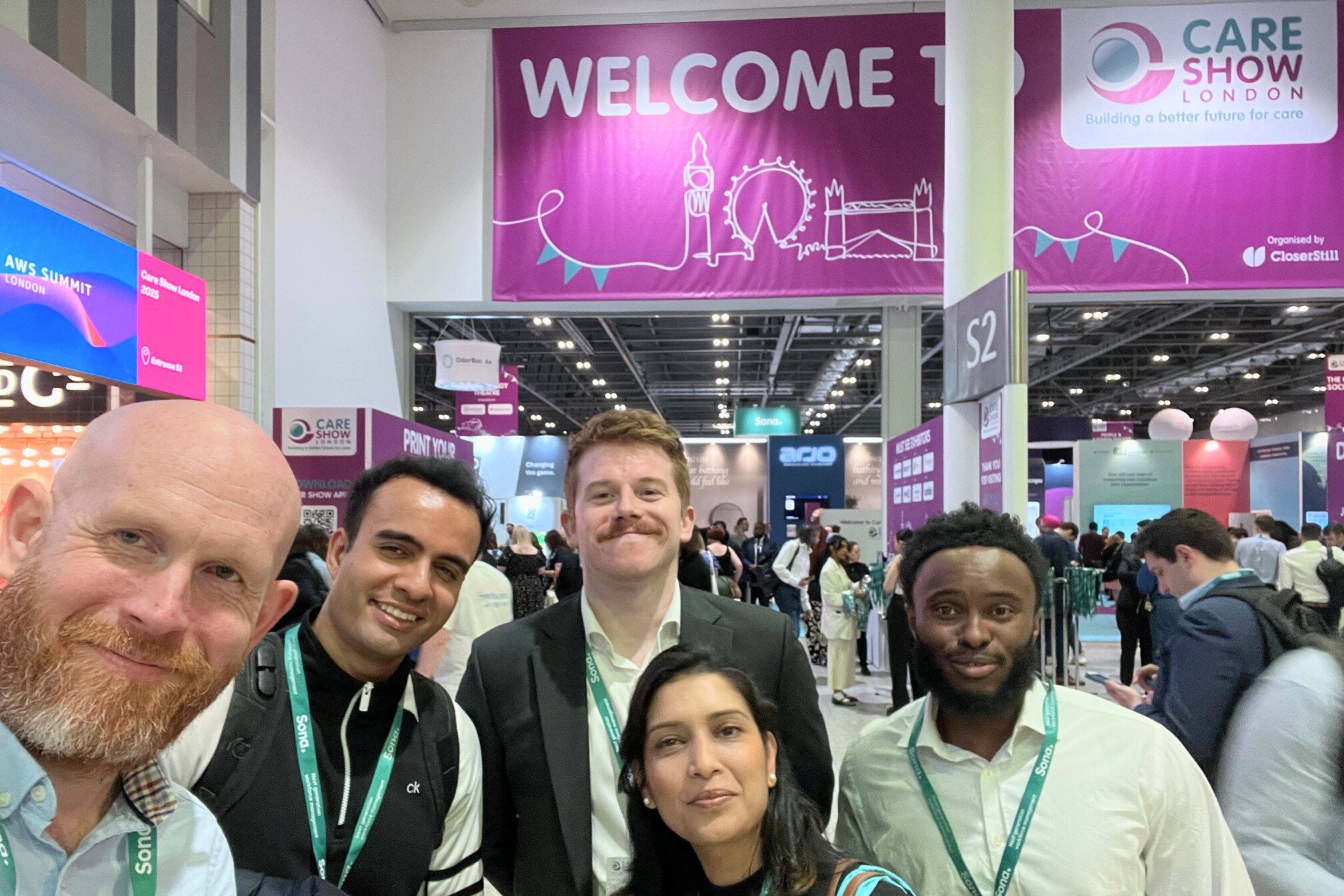
Certa at The Care Show London 2025: Innovation, insight and the future of care

In this Article

Two weeks ago, CACI’s Certa team attended one of the largest celebrations of the care sector, The Care Show London 2025. The event brought together care providers, tech innovators and policymakers to explore the future of social care. The use of AI, both good and bad, was one of the hot topics of the event, along with a . This blog takes a closer look at the key topics we found most interesting at the Care Show London 2025.

Generative AI in social care: the Oxford initiative of the responsible use of AI in social care and onwards

This thought-provoking session by Daniel Casson (Digital Transformation Advisor at Casson Consulting), Katie Thorn (Project Lead at Digital Care Hub), and Dr. Caroline Green (Early Careers Research Fellow at the Institute for Ethics in AI, University of Oxford), delved into the pros, cons and ethical considerations of introducing AI into social care. Much of their talk centred on the use of large language models (LLMs) and concerns with how their use fits in with the values of person-centred care.

To combat this, the talk covered how The Digital Care Hub will soon release official guidance on the responsible use of AI in care settings. This included examining why technology suppliers need to pledge their commitment to creating ethical, collaborative solutions that genuinely serve the care community.

A point that was stressed at the Care Show London 2025 was the need for close alignment with the CQC and the Department of Health and Social Care, to ensure AI is applied responsibly. Dr. Caroline Green gave a memorable analogy to explain AI’s predictive nature: if someone goes to the pub every Thursday, eventually their phone might suggest a message like, “Going down the pub, will be back late,” highlighting how AI learns through pattern recognition, not understanding.

Daniel Carson rounded off the session by urging AI developers to consider both the care workforce and the care recipient, ensuring AI meets the needs of all stakeholders.

Outstanding at home: transforming quality in domiciliary care

This session at the Care Show London 2025 from Caroline Cosh (Director at The OS & Clifton Home Care), Rob Hargreaves (Information Service Manager at Skills For Care) and Patricia Conteh (Head of Clinical Services at Prestige Nursing & Care), focused on how to raise standards in home-based care. A particular emphasis of the talk was on how businesses can achieve an ‘outstanding’ rating from the CQC.

Key actionable takeaways for home care providers included:

  • Maintaining clear evidence logs
  • Capturing positive client feedback
  • Demonstrating strong safeguarding practices
  • Providing robust documentation and audit trails
  • Preparing for both service-led and leadership-focused inspections

It was a valuable reminder that proactive, well-documented and values-driven care is essential for both compliance and excellence in a domiciliary setting.

A regulatory lens: CQC’s forward focus unveiled at Care Show London 2025

Another standout moment from the Care Show London 2025 was the keynote from James Bullion CBE (Chief Inspector of Adult Social Care and Integrated Care) at the CQC. His update provided a long-awaited look into the regulatory landscape shaping the future of care.

Bullion acknowledged the backlog of inspections, stressed that the number of inspections is increasing and structural changes are on the horizon. “We’re underway with more inspections, we’re dealing with backlogs and we’re about to make some structural changes in the organisation,” he said, signalling a proactive shift in CQC’s approach, with further announcements expected this summer.

He emphasised the shared responsibility between providers and the regulator, noting: “It is in our joint interest for there to be a strong regulator that works effectively so that we can show the public and the government that care is good.”

A major focus for the CQC going forward includes a reshaped leadership structure to bring back sector-specific expertise. The appointment of Sir Julian Hartley as CEO in December, followed by Dr. Arun Chopra as Chief Inspector of Mental Health, marks the beginning of this leadership refresh. New chief inspectors will be responsible for overseeing inspection programmes, enabling faster, more informed decision making.

This update was particularly relevant given the increasing intersection between regulation, technology and person-centred care. This was a recurring theme throughout the event. For providers, the message was clear: being prepared, transparent and responsive to evolving expectations will be key to delivering quality care and achieving compliance in the years ahead.

Final thoughts on the Care Show London 2025

The Care Show London offered a vital glimpse into where social care is heading, from the use of ethical AI and performance enhancing platforms to best-in-class home care delivery. As a team, CACI left feeling inspired by the people and ideas driving innovation across the sector.

“With Certa, we’re committed to supporting the transformation of home care companies through tools that empower teams, streamline care processes and improve outcomes for everyone involved. Attending The Care Show reinforced just how vital innovation is to the future of care. We’re proud to be part of that journey.” Greg Ayles, Director, Certa

Uncovering the power of Power BI: embedding new practices, empowering users & the handover process

In this Article

In our previous blog in this three-part series, we explored the ‘meal delivery model’ for the Power BI platform and the tools and teams required to bring this model and its methodology to life. In the final blog of this series, we’ll assess how new practices can be embedded and users empowered as the solution build is underway, as well as how to effectively carry out the handover process for a seamless go-live. 

To read our full whitepaper that outlines additional methodology and best practices to unlock all that Power BI has to offer, click here.   

Embedding new practices and empowering your users

To effectively embed new practices and empower users, evaluating training and resources will be fundamental for a successful Power BI migration. Conducting a training and resource assessment to evaluate users’ training needs and ensure they’re equipped with the necessary skills and confidence to use Power BI will be key to maximising its value. Planning a range of training for various users will be particularly impactful in this case, as will offering the right training to the right users. Communicating expectations, project and migration updates and overarching benefits will also be critical, especially when users are asked to contribute and to change established practices. 

The handover process

Prior to going live, ensuring the necessary solution documentation is in place for both user and developer reference will be vital. Holding handover sessions for your BI team, your IT team and management, unifying support and resources and making sure the helpdesk is both responsive and reactive to any technical issues that arise will bolster this.  

To help determine response times for any technical issues arising, users’ needs that would have arisen during the discovery phase of the project must be understood. Departmental or team champions for non-technical Power BI users can therefore bolster outcomes in these circumstances, and managed support can alleviate the burden of updates and adaptations in fast-changing NHS environments.  

Time must be allocated for handover sessions for the BI team, IT team and management. This will serve as an additional opportunity to reiterate the benefits of the new PowerBI solution along with a practical introduction. Consistent monitoring and feedback should be sought out to refine helpdesk processes and continue deriving the full benefits that the solution can provide as the handover stage continues.  

While PowerBI is an exceptionally flexible platform and will expand and adapt to accommodate new data and reporting requirements, having the necessary development resources available to make changes and upkeep the solution will be paramount. 

How CACI can help

Migrating to PowerBI enables NHS stakeholders to achieve new strategic goals and transform their analytical capabilities. CACI understands the value that migrating to PowerBI can bring, which is why we have developed our own set of best practices and key principles for PowerBI migrations within the NHS. We strive to deliver a seamless migration built on our extensive experience in NHS data and technology, prioritising stakeholder engagement, providing reliable reporting, secure data sharing and self-sufficient BI capabilities for data-driven decision-making. 

For more information or help with Power BI project planning, delivery or ongoing managed services, contact us today. To learn more about how you can tap into the power of Power BI, our whitepaper outlines the best practices and methodology that will boost your understanding and usage. 

Read the rest of the series here:

Uncovering the power of Power BI: ‘meal delivery’ model & critical resources

Uncovering the power of Power BI: discovery & delivery framework

Uncovering the power of Power BI: ‘meal delivery’ model & critical resources

In this Article

In our previous blog in this three-part series, we uncovered the value of thorough discovery and how to build a successful project delivery framework. Today, we’ll explore the ‘meal delivery model’ for the Power BI platform and the tools and teams required to bring this model and its methodology to life.  

To read our full whitepaper that outlines additional methodology and best practices to unlock all that Power BI has to offer, click here

What is the ‘meal delivery’ model for Power BI?

The ‘meal delivery’ model is an analogy for Power BI data insight in NHS systems, stemming from a challenge of making data insight (food) available to a range of different NHS users (eaters). In this context, there are a range of preferences and capabilities among Power BI users and audiences to consider. Therefore, data architecture must enable the experiences and nuances within them, catering to the specific needs of various users: 

  • Analysts: These users will need direct portal access to usable data building blocks and analytics tools. With the ‘meal delivery’ model in mind, these users will need to select quality ingredients to make a meal for themselves.  
  • Executive users: These users need dashboard access to pull reports from selected datasets. They will want the ingredients packaged and provided along with a basic recipe to make the meal in a way that best suits their individual needs.  
  • Report consumers: Finally, these users will need Power BI reports sent direct to their inbox or accessible from Teams. They will want the meal delivered to them, ready to eat. 

The people and tools that make it happen

Using all the insights that have been discovered, a plan can be created to maximise Power BI benefits and meet all identified requirements, goals and constraints. The development process and method will determine the pace of the Power BI implementation and the level of disruption to business as usual. It will also define a team’s size, roles, skills required and cost of resources. An Agile Scrum Project method can be utilised here to maximise developer and user collaboration and allow for continuous improvement across each sprint to incorporate change in a controlled way without derailing the project’s progress.  

With Power BI project delivery being split into two workstreams— one being data and infrastructure, the other reporting— this method offers the flexibility to continuously embed best practices and ensure data and infrastructure workstreams do not diverge.  

How CACI can help

Migrating to PowerBI enables NHS stakeholders to achieve new strategic goals and transform their analytical capabilities. CACI understands the value that migrating to PowerBI can bring, which is why we have developed our own set of best practices and key principles for PowerBI migrations within the NHS. We strive to deliver a seamless migration built on our extensive experience in NHS data and technology, prioritising stakeholder engagement, providing reliable reporting, secure data sharing and self-sufficient BI capabilities for data-driven decision-making.  

For more information or help with Power BI project planning, delivery or ongoing managed services, contact us today. To learn more about how you can tap into the power of Power BI, our whitepaper outlines the best practices and methodology that will boost your understanding and usage. 

In the upcoming and final blog in this series, we’ll investigate new practices to be embedded and how to empower your users to ensure a successful handover. 

Read our previous blog in the series ‘Uncovering the power of Power BI: discovery & delivery framework’ here

Uncovering the power of Power BI: discovery & delivery framework

In this Article

NHS organisations that pursue data transformation will achieve substantial changes in their data-driven decision-making that ultimately improves efficiency, quality and patient experience. Power BI is an optimal contender for NHS organisations seeking a complete data transformation. However, achieving this and reaping its many benefits requires a carefully planned migration process, necessitating a partnership with a reliable data partner that possesses innate experience.  

Having worked with many NHS organisations over the years to plan and implement data migrations, this three-part blog series is developed from the principles of our Power BI migration methodology and real-world experience of NHS data projects, sharing key questions you should consider asking and areas to address to ensure a successful migration to Power BI. 

As such, the series begins with understanding the value of thorough discovery and how to build a successful project delivery framework. To read our full whitepaper that outlines additional methodology and best practices to unlock all that Power BI has to offer, click here

The value of thorough discovery

Unearthing all the information that will influence and affect your migration is a vital—albeit lengthy— first step. Skimping on discovery can compromise the solution’s effectiveness. 

Stakeholder mapping and collaboration

Stakeholder mapping and collaboration can make a significant impact to help define migration goals, as it will unearth possible issues and harvest key requirements to define migrations goals. Workshops with key stakeholders can aid this process, helping establish users’ needs and gauging their use of the Power BI platform. 

Conduct a current state analysis

Reviewing current data architecture, data processing locations and transformation methods will help you intrinsically understand stored data and information flows. During this review, inefficiencies within the operating landscape where your new solution will be situated can be identified and a solid foundation for new data architecture objectives can be built and defined. 

Building the project delivery framework

Building a successful project delivery framework will begin with defining features and functionalities required, including visualisations, connectivity, AI functions, data modelling and relationships between datasets. Ensuring you have a single version of the truth that is built on high quality data will also be critical. Reporting and analysis must also be transparent, enabling users and auditors to visualise how figures are produced. To facilitate this, solutions and configurations by audience type should be proposed to ensure users’ needs and Power BI access requirements will be met. 

Furthermore, developing a full target data architecture and identifying software/licensing requirements based on an assessment of your current analytics development process and available resources will be an integral part of the development of this framework. Availability will also need to be considered, as will security across all apps, including different access levels and permissions. 

How CACI can help

Migrating to PowerBI enables NHS stakeholders to achieve new strategic goals and transform their analytical capabilities. CACI understands the value that migrating to PowerBI can bring, which is why we have developed our own set of best practices and key principles for PowerBI migrations within the NHS. We strive to deliver a seamless migration built on our extensive experience in NHS data and technology, prioritising stakeholder engagement, providing reliable reporting, secure data sharing and self-sufficient BI capabilities for data-driven decision-making. 

For more information or help with Power BI project planning, delivery or ongoing managed services, contact us today. To learn more about how you can tap into the power of Power BI, our whitepaper outlines the best practices and methodology that will boost your understanding and usage. 

Stay tuned for the next blog in this series, where we’ll explain the ‘meal delivery model’ and the teams and tools that activate it. 

Case study

Somerset NHS Foundation Trust chooses Synergy as its costing solution

NHS Somerset NHS Foundation Trust

Summary

Somerset NHS Foundation trust (SFT) is the first trust on the English mainland to provide community, mental health and acute hospital services. We spoke to Peter Fry, Head of Costing and SLR, about the recent trust changes and how Synergy is helping them join up their costing data.

In 2017, Somerset Partnership NHS Foundation Trust and Taunton and Somerset NHS Foundation Trust formed an alliance designed to support a close working relationship between the two trusts. Later that year, the trusts moved to working from a single, joined up set of objectives that spanned across all services.

As this approach progressed and colleagues reported on the benefit gained from working in this way, they sought to go a step further and formally merge. This came to fruition in April 2020, where the trusts merged to become Somerset Foundation NHS Trust.

Prior to the merger, Peter had come from working on the mental health and community costing side at Somerset Partnership NHS Foundation trust. Since the merger he is now is working with an income and costing team of six, which works across all services (acute, mental health and community) and cover costing, service line reporting (SLR), contract and reporting.

Company size

14,000+

Industry

Healthcare

Products used

Challenge

Choosing a system

Initially, both trusts had been using different costing solutions. A decision had to be made on a sole solution to take them forward.

Peter explains: “When we merged and we were considering which solution to go with, during our search we spoke to a lot of other trusts who told us their stories around how they were using CACI’s recent developments in Synergy and the good experience and improvements they were able to make through using it”.

There were a number of factors that impacted the decision to elect CACI and Synergy as their costing solution, and flexibility with complex data, was a high priority on the list.

Solution

Peter goes on to describe the benefit, both technically and financially, for the costing team of being able to develop and build in Synergy.

“We’ve got a really good costing team in house, so we weren’t looking for a provider who would go away and do all of the work for us. In addition to the high costs involved of a provider doing it all for us, we wanted to build it ourselves so we know how it works, and when we share the data with people we know how each and every cost has been arrived at, and can communicate that effectively. So, when we sat down to review which solution to go with, it was very clear that Synergy was the logical decision and would work better with our requirements”.

Finally, Peter talks about how the outputs from Synergy will become extremely important in the coming months and so this was also a big factor when choosing a solution.

“The output is also something that’s really important, and the ability to output data into other front end analytics solutions like Power BI, means Synergy delivers even more value and cost savings to the trust – none of the other providers we were looking at could do that. This also means, as our information team already use Power BI, we’re not having to force others to use a different tool in order to look at our costs.”

Results

“My team really enjoys using Synergy. We’re still developing our costing model to reflect what we’re doing as a trust, and we’re looking forward to the outputs we want to get out of it and how we can use those going forwards”

Other aspects such as training received and the interaction with the CACI customer care team, have meant Peter’s costing team, who don’t come from a costing background, have been able to hit the ground running.

Case study

Salford Royal NHS

Salford Royal

Summary

Salford Royal NHS is an integrated provider of hospital, community and social care services, with some 750 beds and over 6,900 staff providing a range of services to the 240,000 population of Salford, as well as specialist services to Greater Manchester, the North West and nationally.

Company size

9,000+

Industry

Healthcare

Products used

Challenge

Data insights

Management reporting around patient admin data had become cumbersome and slow, leading to poor and often inaccurate reporting. Resource was often spent fixing current problems, rather than finding new solutions and previous attempts at building an in-house data warehouse had failed. Royal Salford NHS needed a single source of reliable and accurate data that they could gain real insight from.

Solution

CACI’s InView data warehouse provides a single source of information from across PAS, radiology, pathology and EPR modules, data extraction and loading is fully automated, and reports produced daily using SAP BusinessObjects. Qlik dashboards are also used in A&E, offering a live view and analysis of patient data with predictive capabilities.

Results

The role of data has completely changed. Time is now spent analysing results and developing innovative approaches to data handling to drive real-time insights. A&E can predict patient attendance, likely arrival modes and emergency admissions numbers, per weekday and hour. The self-serve model has helped greater engagement and understanding from all departments.

Case study

How Cygnum helps Caerphilly County Borough Council move projects, scheduling & services forward remotely

Caerphilly County Borough Council logo

Summary

Caerphilly County Borough Council uses Cygnum to operate its Home Care and Reablement services. These provide vital care and support to those in need within the borough, supporting people to stay at home. The smooth running of these services is vital to ensure that Caerphilly can look after those in need in a timely and appropriate manner. To operate an effective service, Caerphilly relies upon a team of approximately 300 staff, which it schedules through Cygnum.

Industry

Healthcare

Services used

Products used

Challenge

Frontline services didn’t stop during COVID-19: councils still needed to deliver their key services and Caerphilly was no different. With previously office-based staff now working from home, it necessitated a rethink in how Caerphilly received account management, training and support from CACI in its use of Cygnum.

Solution

Caerphilly County Borough Council has been using Cygnum from CACI for over a decade to provide its workforce management solutions, ensuring that it has the right people in the right places, performing the right tasks. As a council, Caerphilly must monitor several different areas, making flexibility a requirement that must sit at the heart of its operations. It was vital, therefore, that Caerphilly quickly found nimble solutions when faced with the mandatory lockdown put in place at the outbreak of COVID-19.

FUSION is CACI’s project management delivery methodology, which helps its clients shape, create and utilise its services. FUSIONhub is an extension of this methodology designed to encompass and embrace off-premise project delivery.

Acting as a virtual consultancy, FUSIONhub enables all users to keep in touch and keep up to date, wherever they are. All of CACI’s processes, tools and deliverables are available whenever and wherever they are needed. Taking advantage of an increasingly connected world, FUSIONhub delivers unparalleled flexibility in project management and delivery.

Results

During the 11 years that Cygnum has been supporting Caerphilly, a well-established relationship has formed along more traditional lines. Remote meetings and training have always been a possibility, but have never previously been a necessity.

To continue delivering a smooth and flexible service, Cygnum uses CACI’s FUSIONhub methodology to ensure that all meetings, training sessions and other deliverables can be completed remotely. Using third party software, it means that the Cygnum team was able to deliver training to Caerphilly via their preferred platform, in this case Zoom. FUSIONhub is available via other virtual meeting rooms such as GoToMeeting, Teams and Skype, too.

Case study

Enhancing Gwynedd Council’s use of Cygnum’s reporting functionality remotely

Gwynedd Council Logo

Summary

With disruptions to traditional training methods increasing during the COVID-19 pandemic, CACI’s FUSIONhub along with the Cygnum team helped ensure Gwynedd Council could successfully deliver remote training and keep projects progressing remotely.

Industry

Healthcare

Products used

Challenge

In normal circumstances, CACI would have arranged for the course trainer — in this case, Cygnum Product Manager, Matt Lewis— to visit Gwynedd Council’s offices to deliver a two-day training course to stakeholders in person. With lockdown rules in place, however, this was not possible.

“Neither Chris, the Systems Manager, nor myself were in our current posts when Cygnum was first implemented at Gwynedd,” says Mark. “It is something I’ve inherited following an internal restructuring and I was keen that we get up to speed with the system as quickly as possible to get the most from it.”

“Chris was more familiar with the system than me, having been trained on it by his predecessor, but we wanted some formal training to better understand Cygnum’s reporting functionality.”

Solution

Gwynedd Council has been using Cygnum for a decade to support its care services across the county, scheduling carers and keeping track of those in care. Deploying a team of 330 carers to operate their services, these essential services remained in full flow throughout the COVID-19 pandemic, proving to be vital to ensuring the ongoing safety of those in care and those providing the care.

Despite many changes — not least in personnel during that time — Mark Hughes, Systems Manager at the Council, required training for himself and his colleague, Chris Griffith, Systems Officer.

CACI devised its FUSIONhub project delivery methodology around virtual management to continue driving projects forward despite people avoiding the office during the pandemic. This was not only vitally important to CACI, but to customers as well.

Cygnum Product Manager, Matt, used Cygnum’s standard training course in a way which was responsive to Gwynedd’s specific needs around Cygnum’s reporting functionality. The course was delivered across four half-day sessions rather than the usual two full days via Microsoft Teams.

“Matt was very professional and really knew his stuff,” Mark explained. “He ensured that the sessions were very informative and interactive and kept it interesting at all times. Matt was brilliant, to be honest.”

While there was some apprehension for Gwynedd around delivering such an important training programme virtually, it was a step that needed to be taken.

Results

“The training has been invaluable,” Mark said. “It enabled us to make richer use of Cygnum’s reporting functionality and to improve some of the work processes we have in place. We managed to automate several reports and decrease the manual intervention to format others, giving the end user and managers better quality reporting to use across our services.”

Case study

Data solutions for Wrightington, Wigan and Leigh NHS Foundation Trust

Wrightington, Wigan and Leigh Teaching Hospitals - NHS Foundation Trust

Summary

Wrightington, Wigan and Leigh Teaching Hospitals NHS Foundation Trust (WWL) are a major acute and community trust dedicated to providing the best possible healthcare. Operating across five hospital sites and numerous community locations, they invest around £300m each year in order to design their services around the needs of their patients.

Company size

4,600+

Industry

Healthcare

Products used

Challenge

WWL saw an opportunity for change. After years of working stuck between two data warehouse versions, the WWL team were consumed by delays, hours of manual processing and a solution that was unreliable and not fit for purpose. As Mark Singleton, Associate Director of IM&T at the Trust would later describe: “the future didn’t look bright” — they needed something better.

As increasing mergers and collaboration between trusts was starting to take place, the business case for a new solution emerged — one that would meet all of their requirements, starting with a single version of the truth.

WWL looked at their options, knowing they needed a single data warehouse solution and while in the past this may have been done in house, the Trust concluded this wouldn’t meet the timeframe objectives, and with that in mind went out to tender for a partner to help bring in this solution.

Solution

CACI were initially appointed by WWL to implement their proposed solution: InView Express.

The InView data warehouse solution was specifically designed for the NHS market and when CACI were appointed by WWL, it had already been implemented in many trusts across the UK.

WWL could see the design of InView had incorporated the complexities required for an NHS data warehouse. It would allow them to produce the Trust’s national datasets and statutory returns and bring all siloed data sources into a single data warehouse, providing an accurate and co-ordinated view of the Trust’s services.

Plus, with the intuitive environment of InView, users across the Trust would be able view and analyse the data easily, and subsequently make effective decisions in an efficient way.

Thinking of the future ahead, WWL took the decision to take on all of the InView modules at the beginning, providing the capability to grow as they took on new data sources. This would soon provide to be an invaluable decision.

After benefiting from the InView solution for a few years and expanding its use, a new challenge appeared: WWL were to take on Community and Mental Health services, and this was a significant increase to their services and data.

Mark Singleton, Associate Director of IM&T at WWL, explains: “It’s not everyday that you’re being asked to grow services by 20-25%”, and that taking on these new areas would bring with it many different national datasets that the Trust had never dealt with before.

With additional returns and outputs due in a short space of time, WWL turned to CACI’s experience in working with community data to help them develop these new datasets in order to meet the national standard.

Results

Since implementing InView and later expanding it to support the new Trust requirements, WWL now have a reliable foundation which frees up capacity to focus on analysis of data and more strategic goals.

The team no longer spend time troubleshooting issues or hours processing data manually and can take on proactive improvements in house such as developing SQL.

WWL are making the most of the robustness of InView, with their database projected to be almost 2TB by 2021. For the Trust this is invaluable, as with some tables containing over 150 million records, they are able to record and manage vast amounts of historical data.

As CACI has invested and improved InView over the past few years, WWL are also utilising the regular updates in order to continually improve and evolve their reporting. Recently WWL have been looking at semantic reporting as a next step to improving the consolidated view of data across the Trust and will be further enhancing their deployment by using the new InView Extensions functionality

By optimising their use of InView, focusing on data analysis and striving to be a data-driven organisation through continual improvements, WWL are empowered to make efficiency savings, and improve the quality of care for patients across Wigan.

Case study

Data solutions and digital transformation at North Bristol NHS Trust

NHS North Bristol - NHS Trust

Summary

As one of the largest hospital trusts in the UK with an annual turnover of £532 million, North Bristol NHS Trust (NBT) recognised the value that implementing new data architecture and deploying business intelligence software would have on wider business outcomes. To achieve this, they enlisted a trusted data partner, CACI.

Industry

Healthcare

Products used

Challenge

NBT was struggling with NHS statutory changes, reporting pressures, disparate systems and data quality overheads. In order to solve these challenges, NBT looked to implement a Trust-wide data warehouse and business intelligence solution.

In addition to the data warehousing solution, NBT had many disparate reporting tool options, and it was important to implement one solution where any member of staff could go to source any report or dashboard output.

Following implementation, NBT needed the solution to be maintained under a managed service offering but built in a way to ensure self-sufficiency in the Trust’s team, so that the solution could be extended in line with new and changed requirements

Solution

NBT chose CACI to provide and implement a new data architecture including a Trust-wide data warehouse solution, managed service support, and deployment of leading business intelligence (BI) software.

The solution integrates a vast quantity of data from many disparate sources including administrative, clinical and finance systems. Additionally, the solution incorporates business logic in order to calculate and model the Trust’s income. The solution is fully maintained by CACI through the provision of a managed service and a structured product release schedule.

The solution incorporates a layered database architecture incorporating integration, Operational Data Store, translation, star schema and semantic data mart layers. This design reduces ongoing maintenance costs and increases flexibility to new requirements or interface changes.

Historical data integrity is preserved through the implementation of an efficient, slowly changing dimensions design, and a full data quality process is built into the data flow enabling reporting and resolution of data quality issues. Both row and column-level security governance is built into the design along with NHS privacy measures.

The logical design of the solution along with its interfaces is documented along with physical database design features to achieve optimal performance on the operating platform.

Data was migrated and re-factored from legacy solutions to maintain data history, and particular attention was made to how the cut-over point was implemented.

NBT benefited from CACI’s experience in promoting outcome-based dashboards for the healthcare sector. This enabled NBT to set up the best possible framework and method for rollout of BI analytics across the organisation, ensuring high stakeholder engagement for outcome alignment and adoption of change. Experience in the use of data science has allowed the Trust to further exploit its data to help improve patient outcomes through accurate predictions.

Results

Since implementation, NBT has been able to centralise its BI function and source all data through the single-governed version of the truth. It has ensured data readiness, completeness and accuracy is in place and always available for reporting.

NBT’s income is comprehensively calculated on a daily basis, with data quality issues managed and corrected in a timely fashion. The accuracy and completeness of this process has delivered a significant financial benefit to the Trust and an early return on investment.

Data is readily available and accessible to stakeholders across the Trust via a centralised portal, with most data updated on a daily basis and some updated every two minutes, allowing near real-time decision making.

Following a jointly executed project, training and knowledge transfer, the NBT team are fully empowered and self-sufficient in the use and future expansion of the solution. This covers construction of analytics and addition of new data sources.

Through the innovative design of the CACI solution, NBT benefits from a fully-maintained core product, yet retain the flexibility to expand the solution to meet local and future needs (e.g. adding new data attributes, entities and rules).

NBT are part of the CACI NHS User Community and benefit from the sharing of content and ideas with other trusts, as well as benefitting from CACI’s commitment to and investment in the NHS.

Case study

Power BI migration & implementation process & outcomes for North Bristol Trust (NBT) – pt1

NHS North Bristol - NHS Trust

Summary

When North Bristol Trust (NBT) was tasked with migrating their existing reporting tool to Power BI, CACI was their trusted partner that supported the successful production of a migration readiness package. This readiness package included a detailed report of all quantitative and qualitative findings, a newfound understanding of existing functions and capabilities, a reassessment of future requirements and definitive progression of next steps in the Trust’s migration from business case creation to sign-off.
 
NBT possessed over 100 reports in their pre-existing analytics platform, ranging from list-based for front line, operational workers to more backend, dashboard and analysis reports for email distribution. Once these reports needed to move from NBT’s pre-existing system to Power BI, the Trust wanted to understand and reconsider their design, particularly its contents and data structure. 

Andrew Elliott, Head of Data Analytics at North Bristol Trust, has handled analytics platform outputs and has been a key player in the Trust’s Power BI migration.

Company size

13,000+

Industry

Healthcare

Products used

Power BI

Challenge

The first course of action identified for NBT was the need to improve efficiency when creating reports. This was a multi-step action, not simply addressing the speed at which reports are updated, but the efficiency and maintenance of data.

To achieve this, Andrew’s team revisited their hospital data analysis practices to ensure they would remain up-to-date, reliable and accurate.

There was also an emphasis on redesigning the data models that fed the reports to meet requirements. This required a substantial amount of analysis to understand where data was coming from and what NBT was doing with that data to display the report. Once this analysis was complete, NBT had to consider how it could be streamlined to become more efficient and recreate that logic in a new location within their data warehouse. 

Solution

This process took the Trust substantial time and input from CACI, with Richard Brennan, CACI’s Principal Consultant, working on the mapping process and providing ongoing support to Andrew’s team. 

Determining the best data design followed this. Andrew’s team had ambitions on what the Trust wanted to do with their data, an especially crucial factor being that through Power BI, other analysts from across the hospital could be brought on board. 

In the weeks prior to going live, Andrew’s team liaised with key individuals across the Trust on upcoming reports, Power BI was displayed on the intranet’s homepage and a Power BI developer group was established for updates from Andrew’s team, their use of Power BI and best practice sharing. 

Once the reports were signed off as tested, they were moved into the appropriate workspace apps for users. A soft launch took place prior to go-live to ensure comfortability of using Power BI and address any final issues. Finally, users were added to groups for immediate access and the original platform was turned off, marking the official introduction of Power BI.  

The diversity of requirements and revisiting the data design were two pivotal focal points to be reprioritised over the course of the implementation. 

The ambition around optimised data design was initially obfuscated due to the comparatively little data available from clinical divisions and departments across the hospital that used Excel. This prompted Andrew and his team to encourage the use of one cohesive reporting platform to ensure data sufficiency, accuracy and reliability, creating an environment that analysts would engage with and host their reporting on. 

The immense size of this ambition quickly became clear to the Trust, particularly regarding the data scope, the systems it took from, the amount of available data and the data used by divisional analysts. Upon further investigation into data sources, an added layer of complexity came to be: rebuilding all the data sources into a new data model would be impossible to achieve by the stringent deadline. With CACI’s help, however, the situation took a positive turn. 

“CACI provided helpful support and advice [during this time], even during times where I think our project had gone from a green to an amber stage where we were coming into the last couple of months,” Andrew shared. “CACI was incredibly supportive of the decisions that we were making, also contributing to those decisions themselves.” 

Results

Richard’s Power BI configuration set up Andrew’s team for a successful first few weeks of post-go-live, with the team receiving about 600 hits on reports in the first two days post-go-live and approximately 60 support requests.

According to Andrew, Richard’s continued support in demonstrating any changes to the semantic models, identifying any issues with uploading data or explaining the environment’s functions has been particularly useful.

“We had Richard in the background with any small changes that we wanted to do with the data loads or semantic models, and that support was useful in the run-up and afterwards, because we’ve watched how to look after this system as Richard has built it, but when you’re actually live and you’ve got to look after yourself, it’s nice to have that bit of hand-holding as you learn,” he explained.

NBT has presently moved out of the post-go-live period of constant close monitoring and rapid issue resolution towards a business-as-usual position. Plans for future enhancements can now be reviewed, along with an assessment of the Trust’s future and the potential of reaching a similar outcome with NBT’s partner, UHBW, enabling both data teams to identically view data across Trusts and share it seamlessly.

The project’s success also led to Andrew and his team being nominated by NBT’s Operations leadership for their annual staff award, an internal mark of excellence and recognition for a project well-delivered.

Case study

United Lincolnshire increases income through costing analysis

NHS United Lincolnshire Hospitals NHS Trust

Summary

United Lincolnshire Hospitals NHS Trust is one of the largest trusts in the country. It provides a comprehensive range of hospital-based medical, surgical, paediatric, obstetric and gynaecological services to the people of Lincolnshire and beyond, through three main hospitals and 90 other locations.

With a turnover of more than £400m each year, United Lincolnshire Hospitals NHS Trust invests millions in improving clinical services by replacing and upgrading medical equipment, modernising facilities and improving IT infrastructure.

To ensure maximum benefits from these investments, costing is a business-critical issue. We spoke to Assistant Finance Manager, Robin Solly at United Lincolnshire on how the use of CACI’s flagship solution, Synergy 4, is helping them reach their goals.

Company size

9,500

Industry

Healthcare

Products used

Challenge

Costing

For United Lincolnshire Hospital Trust, costing had always been an exercise undertaken purely for the purpose of the national cost collection. For the teams involved, the manual process of extracting the data and getting the required outputs was extremely difficult, meaning the data was rarely used for operational or strategic purposes.

Managing change

A new push for change came as the mandated costing requirements for acute trusts changed and CACI was appointed to deliver a solution that would enable all of these improvements.

Solution

Once CACI had identified Synergy 4 as the best solution, a nine-month implementation phase began.

Robin Solly from United Lincolnshire’s finance team commented on the approach that was taken to ensure the solution was built with the trust in mind:

“Our implementation phase had superb on-site support from a CACI consultant, who spent considerable time in understanding our organisation so that the construct of our costing model reflected the way in which the Trust’s activity is delivered.”

Ease of use for the costing practitioner was an important aspect to ensure the Trust could get maximum benefit in an efficient way. Synergy was implemented for the trust to be able to automate processes that had previously been manual, time consuming exercises, which in turn removed a significant amount of time from the costing process.

Results

Since the implementation of Synergy 4, the Trust has been able to produce quarterly PLICS reporting. A summarised model of income against expenditure, by specialty and point-of-delivery has been made available to clinical service managers and patient level outputs available to local finance teams.

Robin explained that the ability to drill down into the detail helped support the key insights revealed at the summary level:

Hand holding up a healthcare cross icon surrounded by healthcare word cloud and symbols

“PLICS data is now a key analysis tool used in our acute service review process with a number of specialties specifically requesting detailed patient level financial analysis to understand which clinical activities are generating a positive / negative contribution margin and why.”

Robin went on to recount a recent example of a department seeing direct benefits from this solution:

“There was the specialty who, as a result of our patient level analysis, realised that a whole strata of their activity was not being charged to our commissioners due to an administration error that precluded its inclusion in our SLAM reports. Without PLICS, this would not have happened and has resulted in substantial additional income for the Trust.”

Empowered with detailed insights, the United Lincolnshire Hospital trust continue to work with CACI on how they can take further steps to generate more insight from their data and improve outcomes across the trust.

Case study

A standardised data warehouse designed for current and future NHS Trust needs

NHS Torbay and South Devon logo

Summary

Torbay and South Devon NHS Foundation Trust provides acute health care services from Torbay Hospital, along with community health services and adult social care. It was the first Trust in England to integrate hospital and community care with social care.

The Trust has around 6,500 staff and 800 volunteers. It runs Torbay Hospital as well as five community hospitals and other local clinics. It provides health and social care to the local population, with around 500,000 face-to-face contacts in patients’ homes and communities each year, serving a resident population of approximately 286,000 people, plus about 100,000 holiday visitors at any one time in the summer season.

Company Size

6,000+

Industry

Healthcare

Products Used

Challenge

South Devon and Torbay has used InView for many years, with the original solution implemented in 2006. More recently, the Trust has experienced challenging times in its IT division, with tight budgets limiting staff and resources. This led to key systems becoming outdated, through lack of investment in upgrades and system replacements.

The resourceful IT team used workarounds and in-house development to bridge gaps and connect systems, to draw essential clinical and financial insight from the Trust’s data, stored in disparate sources.

Head of Data Engineering, Stephen Judd says: “On top of this, since Covid, there have been big organisational changes in the Trust, including new wards, which affected the data we work with. And a lot of our lookup tables were based on old national standards. Although we had a made series of updates to the standards and data dictionary, our Patient Administration System (PAS) and InView hadn’t caught up.”

In 2020, Torbay and South Devon received funding to upgrade their SQL server and jumped at the chance. Stephen Judd says: “We knew we needed to upgrade the InView system as well and seized the opportunity to present a business case for this. It was accepted – but we needed to implement by the end of the financial year – less than four months away. Normally, we would have planned twice as long for this type of data warehouse project.”

Tight budgets

Limited staff and resource

Out of date systems

Solution

CACI agreed to work with Stephen and his team to deliver a new InView data warehouse against the tight deadline. Stephen explains: “CACI provided overall consultancy to plan the data warehouse migration. With many vacancies in our data team, we also used CACI consultants to backfill. Due to time and resource constraints, we didn’t have as much engagement with the information team and data team as we wanted. Moreover, some of our old source systems and extracts didn’t have an Information Asset Owner or anyone who understood the data architecture fully. We had to do a lot of interrogation analysis to bridge this knowledge gap. We wouldn’t have been able to deliver the project without CACI’s support with this.”

CACI’s consultants worked with Stephen’s team to implement the latest version of the InView data warehouse for healthcare organisations. It brings together feeds from in-patient, outpatient, critical care, the old maternity system, neo-natal and paediatric and some community and extended data (from InfoFlex) that adds richness and detail to patient records – for example, information from GP discharge letters.

Torbay and South Devon’s core project embraced the core data feeds they knew best. Stephen’s team set a stretch goal to bring some of the Trust’s community data in. This was particularly challenging, as it was poorly defined and spread over eight systems.

Stephen says: “Some of the services had started setting up their own booking systems outside our main PAS and using InfoFlex. Drawing on CACI’s expertise and resources, we were able to merge these in, which has made our data more complete and accurate again.”

To improve outputs and reporting, the team replaced a daily, fixed format export routine originally written in the 1980s. They built new feeds for demographic, inpatient and outpatient data from the SWIFT bed management system.

Results

Torbay and South Devon NHS Trust could have chosen to build its own custom solution. But InView has a powerful advantage. Stephen explains: “If we create anything bespoke, we have to support it. And we don’t have capacity.”

There has been a big shift because of Covid – the NHS is moving towards a more standardised national view of income. “InView means we can accommodate national SUS calculations and keep pace as our obligations increase each year, because it uses a recognised best practice approach. With InView, we have a proven, standard platform and can make local adjustments for a perfect fit to our organisation,” says Stephen.

For ongoing support, CACI’s team is responsible for upgrades and loading new tariffs. Stephen can focus his own engineers on getting the data right. This is key, because some of NHS England’s payment to the Trust relies on it. Stephen gives an example: “We discovered that a percentage of our outpatient activity had the wrong consultant speciality, which potentially reduces our national NHS income. With CACI maintaining InView, I have the resources to investigate and rectify that type of issue.

Female carer caring for elderly woman in a wheelchair in outdoor space

“The beauty of working with CACI is that they take ownership of everything they promise in the scope of the agreement, and fix it. They provided excellent project management. I didn’t have to chase up work or check every detail – you can only do that with real trust in the team’s capability and judgement to escalate when needed.

“The InView data warehouse is a product that will last us ten or more years – it’s our one source of data for all key reporting so it’s a critical solution for the Trust. Amongst the many programmes I’m responsible for, it was a relief not to have to worry about this one, because CACI has earned our trust and confidence throughout a long working relationship. CACI’s engineers are extremely experienced and were able to jump in, ask intelligent questions, and deal with unfamiliar and unusual data feeds and systems! The project manager provided excellent communication throughout, so I didn’t need to intervene and always knew the latest status and progress.”

Peter Sheard, IT Programme Manager, Torbay and South Devon NHS Foundation Trust

Case study

Power BI migration and implementation process and outcomes for North Bristol Trust (NBT) – part 2

NHS North Bristol NHS Trust logo

Summary

When North Bristol Trust (NBT) was tasked with migrating their existing reporting tool to Power BI, CACI was their trusted partner that supported the successful production of a migration readiness package. This readiness package included a detailed report of all quantitative and qualitative findings, a newfound understanding of existing functions and capabilities, a reassessment of future requirements and definitive progression of next steps in the Trust’s migration from business case creation to sign-off.

NBT possessed over 100 reports in their pre-existing analytics platform, ranging from list-based for front line, operational workers to more backend, dashboard and analysis reports for email distribution. Once these reports needed to move from NBT’s pre-existing system to Power BI, the Trust wanted to understand and reconsider their design, particularly its contents and data structure.

Company size

13,000+

Industry

Healthcare

Products used

Power BI

Challenge

Andrew Elliott, Head of Data Analytics at North Bristol Trust, has handled analytics platform outputs and has been a key player in the Trust’s Power BI migration.

The first course of action identified for NBT was the need to improve efficiency when creating reports. This was a multi-step action, not simply addressing the speed at which reports are updated, but the efficiency and maintenance of data.

To achieve this, Andrew’s team revisited their hospital data analysis practices to ensure they would remain up-to-date, reliable and accurate.

There was also an emphasis on redesigning the data models that fed the reports to meet requirements. This required a substantial amount of analysis to understand where data was coming from and what NBT was doing with that data to display the report. Once this analysis was complete, NBT had to consider how it could be streamlined to become more efficient and recreate that logic in a new location within their data warehouse.

With these needs in consideration, Andrew’s team reached a consensus on the requirement for a new reporting database, as well as a redesign of the data models that would facilitate the moving of their reporting tool.

Solution

This process took the Trust a lot of time and input from CACI to execute, as the initial input stages were focused on providing business knowledge and data understanding, with CACI possessing the technical knowledge. CACI’s Richard Brennan, Principal Consultant, worked on the mapping process and provided ongoing support to Andrew’s team.

Determining the best design for that data followed this. Andrew’s team had ambitions on what the Trust wanted to do with their data, one of which was knowing that through Power BI, other analysts from across the hospital could be brought on board. The board was an especially important and crucial factor as NBT approached the Power BI go-live date. For Andrew’s team, this included ensuring alignment on decision-making, gaining organisation-wide buy-in and keeping motivation up.

“We weren’t putting our head in the sand, we were very honest with any issues that we had and [the board was] immensely helpful in their responses, particularly around communication,” Andrew shared.

In the weeks prior to going live, Andrew’s team liaised with key individuals in the Trust across various departments and divisions on the status of upcoming reports. Power BI also began to be displayed on the intranet’s homepage of the intranet for collective awareness on Power BI going live. NBT followed an additional CACI recommendation of forming a Power BI developer group for regular meetings to take place on what Andrew’s team was doing, how they were using Power BI, encourage others to use Power BI and share best practises.

All licenses were in place and once the reports were signed off as tested, they were moved into the appropriate workspace apps for users. A soft launch using advanced functionality for several areas took place a week prior to go-live to ensure comfortability of using Power BI and iron out any final issues before eradicating their pre-existing BI tool. The final step was adding users to groups for immediate access and turning off the original platform.

By Friday afternoon, users were given access while the original platform remained available over the weekend, and by Monday morning, a blocking page prohibiting access was implemented, marking the official introduction of Power BI.

The diversity of requirements and revisiting the data design were two pivotal focal points to be reprioritised over the course of the implementation.

The ambition around optimised data design was initially obfuscated due to the comparatively little data available from various clinical divisions and departments across the hospital that used Excel. This prompted Andrew and his team to encourage the use of one cohesive reporting platform to ensure data sufficiency, accuracy and reliability, creating an environment that analysts would engage with and host their reporting on and unite users.

The immense size of this ambition quickly became clear to the Trust, particularly regarding the data scope, the systems it took from, the amount of available data and the data that was also being used by divisional analysts. The Trust also acknowledged the fixed date by which this project had to be completed. Upon further investigation into the data sources, an added layer of complexity came to be: rebuilding all the data sources into a new data model would not be possible to achieve by the stringent deadline. With CACI’s help, however, the situation took a positive turn.

“CACI provided helpful support and advice [during this time], even during times where I think our project had gone from a green to an amber stage where we were coming into the last couple of months,” Andrew shared. “CACI was incredibly supportive of the decisions that we were making, also contributing to those decisions themselves.”

Results

Richard’s Power BI configuration has set up Andrew’s team for a successful first few weeks of post-go-live, with the team receiving about 600 hits on reports in the first two days post-go-live and receiving approximately 60 support requests (mainly access requests or general functionality enquiries). While some minor accuracy issues with outpatients arose and were resolved quickly, the reporting has remained accurate and was very well received by the end users.

According to Andrew, Richard’s continued support in demonstrating any changes to the semantic models, identifying any issues with uploading data or explaining the environment’s functions has been particularly useful.

“We had Richard in the background with any small changes that we wanted to do with the data loads or semantic models, and that support was useful in the run-up and afterwards, because we’ve watched how to look after this system as Richard has built it, but when you’re actually live and you’ve got to look after yourself, it’s nice to have that bit of hand-holding as you learn,” he explained.

That brings us to present day, where NBT has moved out of the post-go-live period of constant close monitoring and rapid issue resolution towards a business-as-usual position. Plans for future enhancements to the environment and the data behind it can now be reviewed, along with an assessment of the Trust’s future and the potential of reaching a similar outcome with NBT’s partner, UHBW, enabling both data teams to have the same view of data across Trusts and share it seamlessly. The project’s success also led to Andrew and his team being nominated by NBT’s Operations leadership for their annual staff award, an internal mark of excellence and recognition for a project well delivered.

Case study

Oxford Health save time and funding through detailed data analysis

Oxford Health NHS Foundation Trust logo

Summary

Oxford Health NHS Foundation Trust operates across a large region of the South West of England providing physical, mental health and social care.

As a valued customer of CACI, we spoke to Head of Costing, Paul Vincent about some of the challenges his team faced and the improvements they’ve made through effective use of their costing solution Synergy 4.

Company size

10,000+

Industry

Healthcare

Products used

Challenge

The teams at Oxford Health were burdened with time consuming cost calculations that could only be produced at a high level – nowhere near their requirements for team and patient level activity-based costing.

Due to the work involved, Paul describes the costing process as being too admin heavy.

“Most of the costings were produced using excel and time was spent processing the data rather than analysing the data.”
Paul Vincent, Head of Costing, Oxford Health

When CACI were appointed, a key deliverable was to implement a solution that allowed Oxford Health to focus on data analysis in order to take actions to improve apportionment and allocation of money, as well as to kick start improving activity data by identifying gaps or lack of recording.

Solution

In order to meet the core requirements of an efficient alternative to costing calculations, as well as providing opportunities to analyse the data and gain insight, CACI’s proposed solution was Synergy4.

An NHSI Healthcare Costing Standards compliant, patient level costing solution for end-to-end reporting and management.

As one of the hurdles Oxford Health was facing was that they weren’t able to report at a detailed level, Synergy would help the trust overcome this challenge by allowing activity to be costed at the lowest level and mapping to the trust’s own user defined hierarches to produce the outputs they needed.

Paul told us this aspect has proven to be key for Oxford Health.

“The amount of detail that we can cost is extremely useful, if the activity data is robust, as we can cost by different criteria e.g. Referring GP and GP Practice, Consultant, Member of Staff that carried out the consultation, age and many more.”
Paul Vincent, Head of Costing, Oxford Health

Results

Since the implementation of Synergy4 Oxford Health have seen a number of improvements. The time saved on manual processing of the data mean they are now able to focus on data analysis and turn the insights into actions within the trust that directly impact funding.

Oxford Health continue work with CACI to maximise the benefits of Synergy and generate insights that help improve outcomes for staff and patients across the trust.