Posts Swansea County Council chooses IMPULSE Nexus from CACI to implement the ALN code of practice

Swansea County Council chooses IMPULSE Nexus from CACI to implement the ALN code of practice

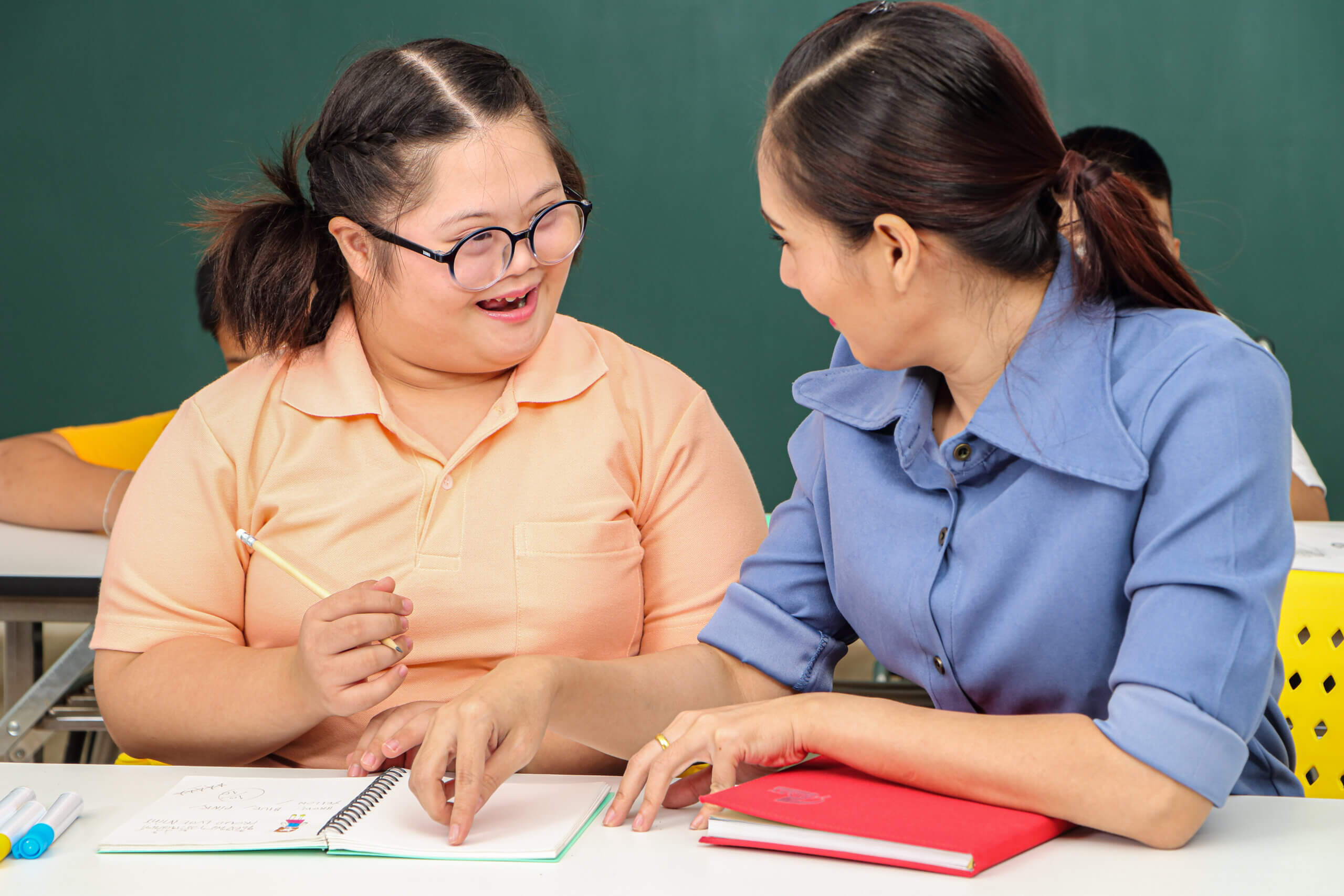
Swansea County Council has chosen IMPULSE Nexus from CACI to transform its services by implementing the Additional Learning Needs (ALN) process across its area. The new ALN code and regulations are due to come into effect in Wales from September 2021, with the aim of supporting all children and young people who have identified additional learning needs, up to the age of 25.

Swansea is one of the first two local authorities to deploy IMPULSE Nexus to enable a local roll out of the ALN code of practice. For more information on how IMPULSE Nexus can support the Welsh ALN code, and your service, please click here.

How can we relate to children impacted by trauma?

The manifestation of trauma in adolescence occurs in a multitude of ways and there isn’t a single response to the expression of trauma. Identifying root causes can be difficult, with trauma hidden and experienced in complex ways, from obvious incidents such as violence and loss, through to long term neglect, structural and institutionalised trauma. The first step towards dealing with trauma, however, is universal – building healthy relationships and recognising what is going on with individuals to facilitate recovery and building resilience.

Identifying, assessing and mitigating the impact of child trauma was the theme of an event CACI hosted recently. At the heart of the panel conversation was how to relate to those young people who come into contact with youth offending services across the UK. How can youth justice workers, social workers and teachers get a joined up picture of each young person to create an understanding of their story to then relate to them?

We all experience trauma and this is a fundamental part of our response to it,” says CACI Children & Young Person’s Services strategic director, Marc Radley. “Youth offending teams are the only ones able to complete a picture of the end results (in youth) and the stories that lead up to these.

Is childhood trauma a universal ingredient in persistent youth offending? “We need to assume that all children in the criminal justice system have suffered trauma,” adds Dr. Alex Chard, director at YCTS. “We need to look back at each person’s story and relate to it. Early childhood abuse, especially something as corrosive as neglect, is a vital step in establishing relationships with these young people. Some factors often get missed, such as structural abuse, aspects such as poverty and the impact this has on a child, and social abuse, aspects such as discrimination.

Joining the dots to paint a clear picture of each child’s experience is difficult. Information is often simplified, siloed and important context lost across the different agency process and practices that interact with a young person, from schools to social workers and youth offending teams.

Many children have deep issues from the trauma they’ve experienced, and trauma is different for every child,” explains Marius Frank, strategic lead for E-learning development and youth justice at Achievement for All. “There’s not single solution or picture. Trauma exists in a spectrum, manifesting itself differently in each individual. We are seeing some amazing work engaging with young people, though. Moving away from a punishment first outlook to one of understanding is a step in the right direction. We need to continue moving to trauma informed practice from trauma awareness.

Putting the trauma front and centre of the response to youth offending will enable youth offending teams to better understand the individual they are dealing with. “Research on family and that sense of belonging is crucial,” adds Sonia Blandford, CEO of Achievement for All. “How can we create that feeling of connection in the young person?

It is often the case that trauma affected young people have experienced a continual carousel of rejection, which results in a deep mistrust of adults and, therefore, present very challenging behaviour seen in youth offending teams as they go about their work. “This is the compound impact of multiple trauma points,” says Shaun Brown, programme director at The Difference. “There are a broad range of institutional experiences in response to this.

Finding a route to engaging with young people who have experienced complex trauma is incredibly challenging, but it is possible. By working to get a holistic view of each young person it is possible to piece together story and begin to understand how they got to where they are. Understanding leads to positive relationships with workers to reduce offending. Further, when these stories are made visible via the right structured qualitative and quantitative recording and reporting, whole services gain insight and learning. This is where youth offending services create value and provide vital information about where and how to target resources and monitor future impact.

There are signs that local systems are moving in the right direction and youth offending service partnerships are at the forefront of this. They are building local knowledge, experience and understanding of the impact that trauma is having in young people’s lives. Bridging that experience into other agencies and organisations involved can restore healthy relationships with these young people and protect future generations, but only if this effort is continually monitored.

How we do enable fair access to victims of youth trauma?

One of the cornerstones of helping young people who have experienced trauma is establishing supportive environments and relationships in which they can begin to address their adverse experiences. For the majority of young people who have experienced trauma, there is a lack of trust in adults and services around them, so establishing these environments and these relationships is not only extremely challenging, but extremely important.

The topic of establishing these support tools was discussed at our recent panel event, identifying, assessing and mitigating the impact of child trauma.

One of the issues identified in establishing positive relationships with these young people was the number of case workers that can become involved in their story. “This goes to the heart of the relationship and the view of the young person themselves and their experiences of the different agencies involved in their life,” says Sonia Blandford, CEO at Achievement for All. “I’ve seen cases where there are as many as 12 professionals involved with a young person, each one with a different opinion and a different attitude.

If we can change the behaviour of the adults we will improve outcomes for the young person. Everyone needs to be singing from the same song sheet. A multitude of approaches is to the detriment of the young person and our overall response to their trauma. Families, too, will kick back against the system as it’s not helping them – we need to reduce the number of people involved with each young person.

So where, ultimately, should the responsibility lie? “We need corporate visibility of young people in the youth justice pathway,” says Marius Frank, strategic lead for E-learning development and youth justice at Achievement for All. “There have been huge changes in outcomes for looked after children when the responsibility for them has been moved to local authorities. If responsibility lies in one place, we reduce the risk of fragmentation of information on these children.

This is a point that Alex Chard, director at YCTS, agrees with. “It is intentional that school records are kept separately,” he says. “Records should be joined up, but there are obstacles to achieving this, not least the fact that there are a number of young people known across different systems and this isn’t being recognised, which is creating more risk.

We need to look at families and inter-generational trauma. We gain a different level of empathy when we care to understand a young person’s history.

Understanding, therefore, is central to enabling fair access for these young people and establishing positive environments and relationships with them. “Young people who are ‘difficult to like’ consistently experience rejection,” adds Shaun Brown, programme director at The Difference. “We are conditioned as human beings to reject experiences that cause us discomfort, which goes some way to explaining why these young people are the way they are.

Building and sustaining relationships with these young people has to be front and centre of our response and we need to monitor what this achieves within our institutions. This needs to be achieved through the layers of the system.

Establishing relationships with trauma affected young people can be extremely challenging but understanding where our response to it has gone awry can help to put in place in effective building blocks for improving outcomes going forward. A unified system response, with a consistent approach from the professionals involved, will go a long way to ensuring fair access to supportive environments and relationships for these young people.

Taking the challenge to challenging behaviour in our education system

“In 2011 I was asked to head an EBD (emotional and behavioural difficulties) school and quickly realised that the skills I’d acquired over more than 20 years as a teacher didn’t work – I needed to re-skill and re-skill quickly.” Rich Berry has over 32 years’ experience as a teacher but decided to focus upon improving outcomes for children whose behaviour sits outside of the acceptable ‘norm’, having come to garner a better understanding of why difficult children are difficult.

The school he led was judged to be failing. “I realised that we needed a fresh approach,” explains Rich. “So, I built a team with experience in working with young people who had experienced trauma and we started to investigate neuroscience and the impact that trauma has on brain development in children. Trauma can manifest itself in so many different ways, but we commonly see the emotional struggle emerge in the form of challenging behaviour – this is the only way children have of communicating their struggle; it is not the conscious deliberate act that many assume.

“Through implementing a therapeutic curriculum at the school, our Ofsted judgments began to head in the right direction. The emphasis moved away from a traditional school discipline model and I personally played a more prevalent role in the education process, as an emotionally available adult, always interacting with the students and looking at how we could improve their outcomes.”

After nine years as head of two schools, Rich took early retirement in 2019 to establish his consultancy, Rich Berry Educational Consultancy. He is also co-chair of the charity, Engage in Their Future, which specialises in providing support to teachers and schools for children with SEMH (social, emotional and mental health) challenges. His work covers the UK, with Engage in Their Future working across more than 90 specialist schools and children’s homes.

“I also qualified as a mental health first aid trainer,” explains Rich. “Identifying and preventing mental health issues is a key challenge in helping the children I work with. Early prevention is always the best route, so being able to spot the signs and help them to get the help that they need can be hugely beneficial. I used the mantra with my staff that we were agents for social change. By helping young people overcome trauma they are less likely to suffer with mental health problems in later life.

“In all settings young people’s ability to learn and develop resilience depends on the approaches taken by their teachers, parents, sports coaches and youth workers. It’s a responsibility I put at the centre of everything I do.”

CACI is delighted to be partnering with Rich to provide his consultancy services to local authorities and associated youth justice and education workers. As part of this, and to promote trauma-informed practice and challenge preconceptions around children displaying disruptive behaviour, CACI will be arranging sessions for customers and as part of our tender process.

“Much of my work, whether with parents, teachers or school communities, focuses on challenging behaviour policies,” says Rich of the consultancy he provides. “Teachers feel disarmed if you take away their ability to sanction pupils in a punitive way. What I challenge them to do is to look at poor behaviour not as a deliberate act of defiance, but as a communication. The fact that we struggle to read that communication should not mean that we go ahead and punish. A punitive system tends to do one of two things; either the child’s behaviour continues and deteriorates further, or the child complies and their message is missed, which can lead to a mental health issue in later life. Stats tell us that 50% of adult mental health issues are embedded by 14 and 75% by 17 years of age.

“You can’t argue with neuroscience. There has been a massive increase in our understanding of brain growth as scanning techniques have developed. I use this understanding to develop everyone else’s understanding that trauma causes the emotional (limbic) brain to be underdeveloped. I develop peoples’ understanding of trauma. I then help them to understand that the body’s natural fear systems kick in and what we very often see as challenging behaviour, is just a fear response.”

Please contact us if you require more information.

How do our youth justice system responses help or hinder trauma victims?

Mitigating the impact of trauma in young people is central to helping them build resilience, trust and relationships. This starts with the professionals they come into contact with, from youth justice workers to social workers and teachers. Keeping track of this process is vital to it succeeding, but how does the existing system response across the professionals involved help or hinder it?

We recently hosted a panel discussion exploring how we can identify, assess and mitigate the impact of child trauma in young offenders. You can watch a replay here. One of the central themes was examining the role of the systems that the various professional bodies involved with a young offender have in place. Is there sufficient sharing of knowledge and experience? Is there a robust framework in place that puts the young person first?

With each body relying upon its own system to underpin its support of a young person, this can make things tricky, argues Sonia Blandford, CEO at Achievement for All. “There are so many layers in the systems and we tend to focus on what we know and understand,” she says. “There used to be an overarching record of every child – now we have information in silos. This means that our system responses are a hindrance.”

Siloed information and little shared understanding makes joining the dots in a multi-agency scenario very challenging. “In order to improve we need to keep it simple,” adds Sonia. “At the moment there are too many layers.”

It’s a point that Shaun Brown, programme director at The Difference, agrees with. “We need in place a chronology and understanding of children, especially vulnerable ones who will come into contact with youth offending services,” he says. “This is hindered by a misplaced fear of protecting privacy. When we restrict access to past information, we see only current information devoid of context. This leaves vulnerable children moving in and out of scope with their chronology becoming disconnected. When this happens, understanding gets lost and we are left constantly restarting the journey of each child. The way things are at the moment, the system response is geared towards single threads of need.”

Painting a clear picture and providing a holistic view to the professionals involved would represent a major step forward in improving outcomes for those young people in contact with youth offending services.

A system response which hinders the process of improving outcomes for young people in the youth justice system feeds into the wider notion around institutional trauma, something which many vulnerable children experience in the existing school system.

The notion of assessments has failure built into it.” argues Sonia. “We need to consider this carefully as assessments are constantly telling a lot of children that they are always bottom of the pile. That represents institutional trauma.”

Another aspect to the institutional response to these children is the school process of fixed term and permanent exclusions. “For some 14- and 15-year olds, the first time that are being diagnosed with severe educational disabilities is during the screening process with a youth offending team. Why? Because of school exclusions,” says Marius Frank, strategic lead for E-learning development and youth justice at Achievement for All. “This is driven by high stakes assessments and a results driven system. There is hope, however, since schools can build out different systems and curricula for their children. They can justify this to Ofsted and make a change.”

A more joined up, integrated approach across the various systems that young people meet would help. “I’m a big advocate of youth offending teams,” says Alex Chard, director at YCTS. “They host a wealth of information so can pick up on many different factors. They can recognise the history of a child. The number of looked after children in the criminal justice system tells its own story of societal discrimination.”

Youth offending teams are ideally positioned to provide valuable insights to other areas of the overarching system that looks after and monitors children. All professionals and bodies are doing their best, but a more integrated approach would ultimately benefit the children involved by helping to improve their outcomes.

Identifying, assessing & mitigating the impact of child trauma

In this Article

The concept of child trauma is a fluid one. There are the obvious examples that we can think of, those that social services and professionals deal with on a day-to-basis. Then there are the more intangible experiences of trauma, such as long-term neglect, structural and institutional trauma. The responses to behaviour by the professionals involved, be they teachers, youth offending teams or care workers, play a crucial role in the outcomes of these children. How can we work with conflict and challenge to join often disparate parts of our responses to create a roadmap to improved outcomes for all children?

CACI recently hosted an event exploring this topic. We were joined by a panel of domain experts: Alex Chard, director at YCTS; Shaun Brown, programme director at The Difference; Sonia Blandford, CEO at Achievement for All and; Marius Frank, strategic lead for E-learning development and youth justice at Achievement for All. The event was hosted by our Children & Young Person’s strategic director, Marc Radley.

How can we relate to children who have suffered lifetime trauma who find it hard to recover and build resilience?

Understanding the history of these children is the responsibility of everyone concerned with their story,” says Alex. “We have to understand every child in youth offending services. At the moment we tend to ‘snapshot’ risk and tend to the most recent events. We need to look back further. We also need to assume that all children in the criminal justice system have suffered trauma. Gaining an understanding of early childhood abuse, especially something as corrosive as neglect, is a vital step in establishing relationships with these young people and building up their resilience.

In what way do our system responses help or hinder recovery?

This was identified as an area for improvement by our panel. “There are so many layers in the systems that we operate and we tend to focus on what we know and understand,” explains Sonia. “These need to be an overarching view of every child; instead we have simplified information in silos. System responses, therefore, are a hindrance and can even exacerbate the difficulties for the child. We need to find ways to share our knowledge across the board and in order to learn and improve, we need to eliminate unhelpful routes and make things simple. At the moment there are too many layers.

Chronology and understanding of vulnerable children is hindered by misplaced fear of protecting privacy,” says Shaun. “Where access to past information is restricted, we can only see current information and there is no context. Understanding gets lost and many young people are left continually restarting their journeys.

There is also the educational aspect in all of this, away from youth justice teams. “Assessment has failure built into it and this is a form of institutional trauma,” explains Sonia. “A lot of these children are always failing exams and tests and being told they’re bottom of the pile.

For some 14- and 15-year olds the first time they are diagnosed with severe educational disabilities is at screening by a youth offending team,” says Marius. “Why? Because of exclusions. This is driven by high stakes assessments and a results driven system.

How do we enable fair access to supportive environments and relationships?

We need to look at families and intergenerational trauma,” says Alex. “We gain a different level of empathy when we come to understand a child’s history. For this, we need joined up records, but there are obstacles to achieving this, not least children being known to various professionals across different systems. Where this isn’t recognised it creates more risk.

Shaun adds; “children who are ‘difficult to like’ have consistently experienced rejection. Building and sustaining relationships with them has to be front and centre of the response. We then need to monitor how that works within our institutions and responses through the layers of the system.

We see too many cases where there are too many professionals involved with each young person, sometimes as many as 12,” explains Sonia. “That’s 12 different people coming in with different opinions and attitudes. If we can change the behaviour of the adults, we can improve the outcomes for the children. Everyone needs to be singing from the same song sheet. Families will rail against an inconsistent system that doesn’t help them – we need to reduce the number of people involved with a young person.” Although, this means we must also value and support those workers who step in.

How do we work with these understandings about risk and vulnerability?

We need to get children out of the criminal justice system who shouldn’t be there,” suggests Alex. “Only dangerous children should be in there. We could then reduce the number of children going through youth offending teams and this will result in a better system for the most vulnerable children in society.

There are profound lessons to be learned,” says Marius. “We need to re-examine why children are in the youth justice system. We need to improve protection and early identification. We need to work around the young people as early as possible.

For all that, there’s an awful lot of good work going on and there’s clear evidence that a child first approach is working.

Want to know more? Watch a recording of this event below

Early intervention in the county lines battle

In this Article